

Across the ancient trade routes of Central Asia, travelers carried more than silk, spices, and precious goods—they also shared recipes that evolved into regional culinary treasures.
One of the most enduring of these recipes is Manti, the large steamed dumpling that has become one of Uzbekistan’s most iconic dishes. Filled with juicy meat, onions, and aromatic spices, Manti is a beloved comfort food that brings families together for celebrations, holidays, and everyday meals.
Though variations of manti are found across Central Asia, the Uzbek version is celebrated for its generous size, delicate dough, and flavorful filling.
Manti are large, hand-folded dumplings traditionally steamed rather than boiled or fried.
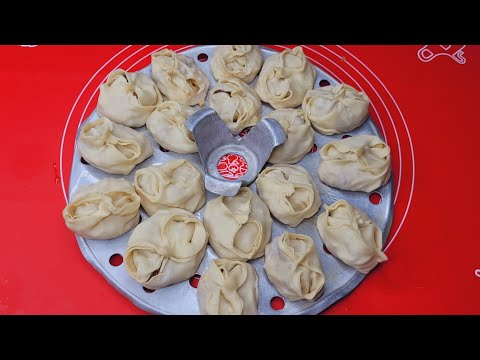
Small squares of dough are filled with the meat mixture, folded into decorative shapes, and steamed in a multi-tiered steamer until tender.
Read Also: Lancashire Hotpot: The One-Pot Meal That Fed Industrial Britain

Manti: The Steamed Dumplings That Traveled the Silk Road
Description
Manti are large, hand-folded dumplings filled with a meat mixture and traditionally steamed rather than boiled or fried.
Background and Origin
The history of Manti stretches back many centuries and is closely connected to the Silk Road, which linked East Asia, Central Asia, the Middle East, and Europe.
Many food historians believe steamed dumplings spread westward from East Asia through merchants, nomads, and travelers. As these recipes reached Central Asia, local communities adapted them using regional ingredients such as lamb, onions, and wheat flour.
In Uzbekistan, Manti became deeply rooted in local cuisine thanks to the country's position at the heart of the Silk Road. Cities such as Samarkand and Bukhara were bustling centers of trade, where culinary traditions from many cultures blended and evolved.
Making Manti is often a communal activity.
Preparing the dough, chopping the filling, folding each dumpling, and arranging them in the steamer are tasks that family members frequently share. It’s common for several generations to gather around the kitchen table, with each person helping shape dozens of dumplings.
Because preparing Manti takes time and care, it’s especially popular for:
- Weddings
- Family reunions
- Religious holidays
- Weekend gatherings
- Special celebrations
The process itself is often as meaningful as the meal.
Ingredients
Flour
Filling
Instructions
How to Prepare Manti
- Pour the water into a mixing bowl. Beat in the egg and salt until it dissolves. Sieve in the flour.
- Mix it thoroughly with clean hands to form a dough.
- Cover the dough and let it rest for 10 minutes.
- Divide the dough into 2 parts and knead on a clean surface. Let it rest for 10 more minutes.
- Chop the potatoes, onions, and beef into tiny cubes. Place them in a bowl. Add the black pepper, paprika, coriander, and salt to taste. Add the oil and mix evenly.
- Back to the dough, add some flour to the clean surface and knead one part into a round, flat shape. Layer the round dough from side to side to form a rectangular shape. Cut the dough into squares 10 cm by 10 cm.
- Scoop a spoonful of the beef mixture onto the dough. Wrap it by sealing the four corners of the square dough. Repeat until all the dough and beef mixture are wrapped up.
- Lubricate the steamer lid with oil. Layer the manti on the steamer lid. Place it on the steamer with boiling water and steam for 40 minutes maximum.
- Garnish with spring onion and serve with cream.
 Video source: Hammabop Oshxona–YouTube–image–source–Magnific
Nutrition Facts
Servings 10
- Amount Per Serving
- Calories 500kcal
- % Daily Value *
- Total Fat 20g31%
- Potassium 450mg13%
- Total Carbohydrate 50g17%
- Dietary Fiber 4g16%
- Protein 30g60%
- Iron 3 mg
- Vitamin B6 0.4 mg
- Folate 50 mcg
- Vitamin B12 2 mcg
- Phosphorus 250 mg
- Zinc 4 mg
- Selenium 20 mcg
* Percent Daily Values are based on a 2,000 calorie diet. Your daily value may be higher or lower depending on your calorie needs.
Note
Tips for Preparing Manti
- Use freshly made dough. Homemade dough gives Manti its traditional texture. It should be smooth, elastic, and rolled thin enough to cook evenly while remaining strong enough to hold the filling.
- Choose quality meat. Finely chopped meat, rather than ground meat, creates a juicier and more authentic filling.
- Add plenty of onions. Onions are essential to authentic Uzbek Manti. They release moisture during steaming, keeping the filling tender and flavorful.
- Season simply. Salt, black pepper, and a pinch of paprika and coriander are often all that's needed. The natural flavors of the meat and onions should take center stage.
- Don't overfill the dumplings. A moderate amount of filling allows the dumplings to seal properly and cook evenly without bursting.
- Seal the edges tightly. Carefully pinch the dough closed to prevent the flavorful juices from escaping during steaming.
- Grease the steamer trays. Lightly brush the steamer with oil or butter to keep the dumplings from sticking.
- Steam gently. Steam for 35–40 minutes, depending on their size. Avoid opening the lid too often, as this releases steam and extends the cooking time.
- Serve immediately. Manti are best enjoyed hot with sour cream, yogurt, melted butter, or a light tomato sauce, along with fresh herbs.
Read Also: Balaleet: The Sweet and Savory Breakfast That Defines Emirati Hospitality
Manti remains one of Uzbekistan's most cherished traditional dishes today. You can enjoy it at home, in restaurants, and at festive gatherings across the country.
More than a steamed dumpling, Manti tells the story of centuries of cultural exchange along the Silk Road, the importance of family traditions, and the artistry of handmade food.
Every carefully folded dumpling carries a piece of Uzbekistan's rich culinary heritage, proving that simple ingredients, prepared with patience and shared with loved ones, can create a meal that stands the test of time.
