

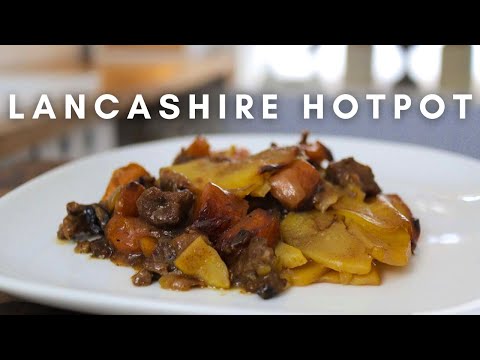
Lancashire Hotpot is a traditional casserole made by slowly baking lamb beneath a layer of sliced potatoes until the meat becomes tender and the potatoes turn beautifully golden.
Few dishes represent British comfort food as well as Lancashire Hotpot. Slow-cooked to perfection with tender lamb, onions, and layers of thinly sliced potatoes, this hearty one-pot meal has warmed families across the United Kingdom for generations.
Originating in the historic Lancashire in northwest England, the dish is celebrated for its simplicity, affordability, and rich, comforting flavors.
Born during the Industrial Revolution, Lancashire Hotpot is a testament to the ingenuity of working families who transformed humble ingredients into a nourishing and satisfying meal.
The meat is placed at the bottom of a casserole dish, covered with onions, herbs, and stock, before being topped with overlapping slices of potato. As the dish bakes slowly, the potatoes absorb the rich cooking juices while forming a crisp, golden crust.
It’s often served with pickled red cabbage, seasonal vegetables, or buttered peas.
Must Read: Luwombo: Uganda’s Royal Stew Wrapped in Tradition

Lancashire Hotpot: The One-Pot Meal That Fed Industrial Britain
Description
Lancashire Hotpot is a traditional casserole made by slowly baking lamb beneath a layer of sliced potatoes until the meat becomes tender.
Background and Origin
Lancashire Hotpot originated in Lancashire, a region that became one of Britain's industrial centers during the 18th and 19th centuries.
As textile mills and factories expanded during the Industrial Revolution, workers needed filling meals that could be prepared with inexpensive ingredients and left to cook while they spent long hours at work.
Mutton, which was more affordable than many other meats, became the traditional choice. Combined with onions and potatoes—readily available staples—the ingredients were placed in a heavy pot and left to cook slowly in the oven, requiring little attention.
The name "hotpot" comes from the cooking vessel itself, referring to the earthenware or cast-iron pot in which the meal was traditionally prepared.
Lancashire Hotpot became especially popular among working-class households because it was economical and practical.
The slow-cooking method transformed tougher cuts of meat into tender, flavorful meals, while potatoes provided an inexpensive way to stretch the dish and feed large families. Housewives could prepare the hotpot in the morning, leaving it to simmer while attending to work or household responsibilities.
Its simplicity made it a staple throughout Lancashire and eventually across the United Kingdom.
Over time, Lancashire hotpot evolved from a regional speciality into one of Britain's best-loved traditional dishes.
Although modern recipes sometimes include kidneys, carrots, or other vegetables, the classic combination of lamb, onions, and potatoes remains the gold standard. The dish is still commonly served in pubs, family restaurants, and homes, particularly during the colder months.
Its enduring popularity reflects the British appreciation for wholesome, comforting meals made from simple, quality ingredients.
Ingredients
Instructions
How to Prepare Lancashire Hotpot
- Put the oil and butter in a pot over medium heat.
- Brown the meat, then sprinkle with salt and black pepper. Scoop the meat out and set aside.
- Add one tablespoon of butter to the pot and sauté the carrots and onions for 1 minute. Sprinkle salt to taste and black pepper.
- Let it cook for 5 minutes, then add the browned meat.
- Add the flour and bay leaves and stir.
- Pour in the stock, stir, and cover the pot halfway.
- Allow it to simmer for 20 minutes.
- Preheat the oven to 180°C
- Peel and slice the potatoes.
- Place the sliced potatoes on top of the meat in the pot. Brush the surface with melted butter.
- Bake for 45 minutes the reduce the temperature and bake for another 20 minutes.
- Serve and enjoy!
 Video source–The West Country Kitchen–YouTube–image–source–Magnific
Nutrition Facts
Servings 7
- Amount Per Serving
- Calories 550kcal
- % Daily Value *
- Potassium 900mg26%
- Total Carbohydrate 30g10%
- Dietary Fiber 4g16%
- Protein 30g60%
- Iron 3 mg
- Vitamin B6 0.5 mg
- Vitamin B12 2 mcg
- Phosphorus 300 mg
- Zinc 5 mg
- Selenium 20 mcg
* Percent Daily Values are based on a 2,000 calorie diet. Your daily value may be higher or lower depending on your calorie needs.
Note
Tips for Preparing Lancashire Hotpot
- Choose lamb shoulder or neck. Traditional Lancashire Hotpot is best made with lamb shoulder or neck, as these cuts become exceptionally tender during slow cooking and develop a rich flavor.
- Brown the meat first. Searing the lamb before assembling the hotpot adds depth and enhances the overall taste of the dish.
- Slice the potatoes evenly. Thin, uniform potato slices cook evenly and create the signature golden, crispy topping.
- Layer the ingredients carefully. Place the lamb at the bottom, followed by onions and herbs, then arrange the potatoes in overlapping circles to help them cook evenly and absorb the flavorful stock.
- Use a rich homemade stock. Lamb stock provides the most authentic flavor, though a good-quality beef stock also works well.
- Finish uncovered. Remove the lid during the last 30–40 minutes of cooking to allow the potato topping to crisp and turn golden brown.
- Let it rest before serving. Allow the hotpot to rest for about 10 minutes after baking. This helps the juices settle and makes serving easier.
Must Read: Dograma: The Comforting Bread and Lamb Soup of Turkmenistan
Lancashire Hotpot tells the story of hardworking families, resourceful home cooks, and a culinary tradition built on making the most of what was available.
Every spoonful celebrates the warmth of home, the value of simplicity, and the enduring legacy of one of Britain's greatest classic dishes.
