

Some dishes are cooked in pots. Others are prepared over open fires. But Luwombo is wrapped, steamed, and patiently transformed into one of Uganda’s most treasured culinary traditions.
Rich in flavor and history, this iconic dish is a symbol of royal heritage, celebration, and the ingenuity of traditional Ugandan cooking.
From family gatherings to weddings and festive occasions, Luwombo continues to unite people around the table, preserving a recipe passed down for well over a century.
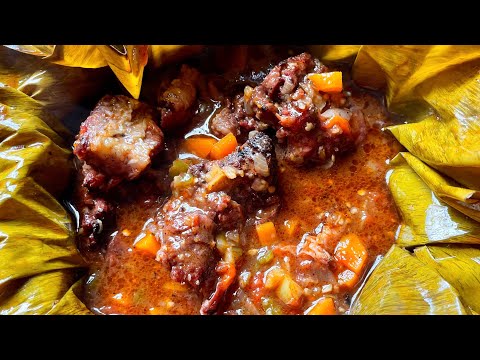
Luwombo is a traditional Ugandan stew in which meat, vegetables, and seasonings are wrapped in banana leaves and gently steamed.
Once assembled, the ingredients are carefully folded inside softened banana leaves and tied securely. The parcels are then steamed slowly, allowing the meat to cook in its own juices while absorbing the subtle aroma of the banana leaves.
The result is:
- Tender and succulent
- Rich and aromatic
- Deeply flavorful without being overly spicy
Luwombo is commonly served with matoke (steamed green bananas), rice, sweet potatoes, cassava, or millet bread.
People Also Read: Imambayildi: The Ottoman Eggplant Dish with a Legendary Name

Luwombo: Uganda’s Royal Stew Wrapped in Tradition
Description
Luwombo is a traditional Ugandan stew in which meat, vegetables, and seasonings are wrapped in banana leaves and gently steamed.
Background and Origin
The origins of Luwombo are closely tied to the historic Buganda Kingdom, one of Uganda's oldest and most influential kingdoms.
According to tradition, the dish was created in the late 19th century during the reign of Kabaka Mwanga II. A royal chef is said to have developed a new cooking method by wrapping food in banana leaves before steaming it. This technique helped preserve the meat's natural juices while infusing it with a delicate, earthy aroma.
The innovation quickly gained favor at the royal palace and was served during important ceremonies and banquets. As palace cooks shared the method beyond the kingdom, Luwombo gradually spread throughout Uganda, becoming a beloved national dish enjoyed in homes across the country.
Banana plants have long been central to life in Uganda—not only as a food source but also as practical materials for cooking and serving meals.
The banana leaves used in Luwombo act as a natural cooking vessel. As the parcels steam, they trap moisture and aromas, creating a gentle cooking environment that keeps the meat exceptionally tender while enhancing its flavor.
This traditional technique requires patience and care, making Luwombo a dish often reserved for occasions when family and friends gather to celebrate together.
Ingredients
Instructions
How to Prepare Luwombo
- Add all the chopped vegetables together. Sprinkle in the garlic, salt, and black pepper. Mix well to combine and simmer on low heat for 5 minutes.
- Scoop in the tomato paste and Maggi cube and continue to cook. Add the oil and mix.
- Cook for 5 more minutes, then add half a cup of water. Don’t add water if there’s enough broth.
- Let it cook for 5 minutes, then remove it from the heat.
- Place the banana leaves in a circular tray. Add the smoked beef and the tomato sauce.
- Gently wrap and tie the banana leaves without tearing.
- Add 2 cups of water to a pan. Put some banana fiber and leaves in the pan. This will prevent the water from penetrating the wrapped luwombo.
- Place the plantains on the leaves, then place the wrapped luwombo on the plantain.
- Cover them with more banana leaves.
- Steam on low heat for 3 hours.
- Enjoy it with the steamed plantain or boiled rice.
 Video source: Mama J’s Foods–YouTube–Image–source–Magnific
Nutrition Facts
Servings 7
- Amount Per Serving
- Calories 450kcal
- % Daily Value *
- Potassium 500mg15%
- Total Carbohydrate 45g15%
- Protein 40g80%
- Vitamin A 500 IU
- Vitamin C 20 mg
- Iron 2 mg
- Niacin 10 mg
- Vitamin B6 0.5 mg
- Phosphorus 250 mg
- Magnesium 60 mg
- Zinc 2 mg
* Percent Daily Values are based on a 2,000 calorie diet. Your daily value may be higher or lower depending on your calorie needs.
Note
Tips for Preparing Luwombo
- Use fresh banana leaves. Fresh banana leaves give Luwombo its distinctive aroma and help keep the meat moist during steaming. Briefly pass the leaves over an open flame or dip them in hot water to make them flexible and prevent tearing.
- Choose bone-in meat. Bone-in beef is the traditional choice and produces a richer, more flavorful sauce as it cooks.
- Season generously but simply. Garlic, ginger, onions, tomatoes, and a little salt are often enough. The natural flavors of the meat and banana leaves should remain the focus.
- Wrap the parcels tightly. Secure wrapping traps steam and allows the meat to cook in its own juices, resulting in tender, flavorful pieces.
- Steam slowly over low-medium-heat. Slow steaming for at least 2 hours allows the flavors to develop fully while keeping the meat moist.
- Avoid opening the parcels while cooking. Keeping the parcels sealed ensures that the steam and aromas remain inside.
- Serve with traditional sides. Luwombo pairs beautifully with matoke, rice, sweet potatoes, cassava, or millet bread to soak up the rich sauce.
Must Read: Dograma: The Comforting Bread and Lamb Soup of Turkmenistan
Luwombo remains one of Uganda's most iconic traditional dishes today. It bridges the country's royal past with its modern culinary identity, preserving cooking techniques cherished for generations.
More than a steamed stew, Luwombo is a celebration of craftsmanship, patience, and community.
Every carefully wrapped parcel tells the story of Uganda's rich cultural heritage, where simple ingredients, thoughtful preparation, and shared meals create traditions that continue to thrive from one generation to the next.
