

Few dishes capture the warmth of home and the spirit of family traditions quite like Holubtsi. These tender cabbage rolls, filled with a savory mixture of meat, rice, and seasonings, have been a beloved part of Ukraine’s culinary heritage for centuries.
Found on everyday dinner tables and festive holiday feasts, Holubtsi is a dish that symbolizes comfort, generosity, and the importance of sharing meals with loved ones.
Though simple in its ingredients, Holubtsi reflects the resourcefulness and hospitality that have long defined Ukrainian home cooking.
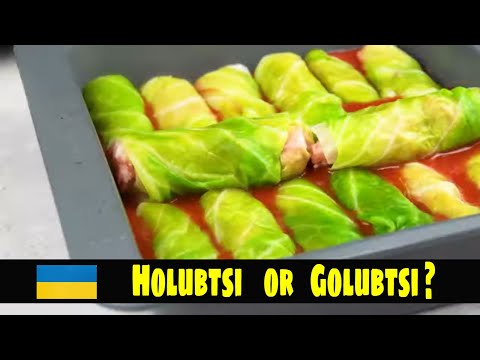
Holubtsi are cabbage leaves wrapped around a flavorful filling, then slowly baked or simmered in a rich tomato or sour cream-based sauce.
The cabbage leaves are first softened in boiling water, making them flexible enough to wrap around the filling. The rolls are then arranged in a pot or baking dish, covered with sauce, and cooked slowly until the flavors blend.
The finished dish is:
- Tender and juicy
- Rich and comforting
- Mildly seasoned
- Perfectly balanced with the sweetness of cabbage and tomatoes
Holubtsi is commonly served with a dollop of sour cream and fresh herbs.
Must Read: Dograma: The Comforting Bread and Lamb Soup of Turkmenistan

Holubtsi: The Ukrainian Cabbage Rolls That Warm Every Home
Description
Holubtsi are cabbage leaves wrapped around a flavorful filling, then slowly baked or simmered in a rich tomato or sour cream-based sauce.
Background and Origin
The origins of Holubtsi can be traced to Eastern Europe, where stuffed vegetable dishes have been prepared for centuries. The Ukrainian version evolved from earlier recipes influenced by the cuisines of the Byzantine Empire, the Ottoman Empire, and neighboring Slavic cultures.
The name Holubtsi comes from the Ukrainian word holub, meaning "dove." Historians believe the name may have originated because the small, neatly rolled cabbage parcels resembled birds or because earlier festive recipes featured stuffed pigeons before cabbage became a more practical and affordable substitute.
As cabbage became one of Ukraine's most widely grown vegetables, families adapted the dish using local ingredients such as rice, pork, and beef. Over generations, Holubtsi became a staple in villages and towns across the country, with each region developing its own unique variations.
Making Holubtsi is often a family activity.
Preparing the cabbage, mixing the filling, rolling each parcel, and arranging them for cooking are tasks that bring multiple generations together in the kitchen. It’s common for grandparents, parents, and children to share in the preparation, especially before holidays and special occasions.
Because the recipe can easily be made in large quantities, Holubtsi has long been associated with celebrations, weddings, Christmas, Easter, and Sunday family meals.
Regional Variations
While meat and rice are the most common filling, different regions of Ukraine have developed their own interpretations.
Some versions include:
- Mushrooms
- Buckwheat
- Barley
- Potatoes
- Vegetarian fillings during religious fasting periods
These variations reflect the country's agricultural diversity and the importance of seasonal ingredients in Ukrainian cooking.
Ingredients
Instructions
How to Prepare Holubtsi
- Put the oil in a saucepan on medium heat. Add the rice and stir-fry for 5 minutes.
- Add 4 cups of water and allow to simmer for 20 minutes.
- Put the ground beef in a mixing bowl, and add the onion, boiled rice, egg, and salt to taste. Mix it thoroughly and set aside.
- Break out some layers of the cabbage. Boil water and dip the cabbage leaves in it to soften them. Then cut out the hard step of the leaves.
- Scoop portions of the beef mixture into layers of the cabbage leaves and roll them securely. Repeat until you roll all the beef mixture in the cabbage leaves.
- Pour the tomato soup into a baking tray. Layer the cabbage rolls in the tomato sauce.
- Layer on the cabbage rolls, the bell pepper, and the cherry tomatoes.
- Layer more tomato soup, then cover the contents with cabbage leaves. Cover the tray with aluminum foil.
- Bake at 180°C for 2 hours.
- Serve and enjoy!
 Video source: Yummylogy–YouTube–image–source–Magnefic
Nutrition Facts
Servings 15
- Amount Per Serving
- Calories 400kcal
- % Daily Value *
- Total Fat 20g31%
- Potassium 500mg15%
- Total Carbohydrate 20g7%
- Dietary Fiber 4g16%
- Protein 20g40%
- Vitamin C 25 mg
- Iron 2 mg
- Vitamin K 70 mcg
- Folate 40 mcg
- Vitamin B12 1 mcg
- Phosphorus 200 mg
- Zinc 3 mg
* Percent Daily Values are based on a 2,000 calorie diet. Your daily value may be higher or lower depending on your calorie needs.
Note
Tips for Making Holubtsi
- Choose a large, fresh cabbage. Large cabbage leaves are easier to roll and are less likely to tear. Green cabbage is the traditional choice, though savoy cabbage also works well.
- Soften the cabbage leaves properly. Blanch individual cabbage leaves in boiling water for a few minutes until they become pliable. Trim the thick center vein if needed to make rolling easier.
- Use a balanced filling. A mixture of ground pork and beef provides rich flavor, while rice keeps the filling tender and helps it stretch further.
- Don't overfill the rolls. Leave room for the rice to expand during cooking and fold the cabbage tightly to prevent the filling from escaping.
- Simmer or bake the Holubtsi gently for 1½–2 hours. Slow cooking allows the cabbage to become tender and flavorful.
- Use homemade tomato sauce. A simple sauce made with tomatoes, onions, and herbs enhances the authentic flavor without overpowering the rolls.
- Serve with sour cream and fresh dill. A spoonful of sour cream and a sprinkle of dill are traditional accompaniments that add freshness and creaminess.
Must Read: Ojja Merguez: Tunisia’s Flavor-Packed Heat, Spice, and Heritage
Today, Holubtsi remains one of Ukraine's most iconic comfort foods. Whether prepared using a treasured family recipe or served in a traditional restaurant, it continues to bring people together through its familiar flavors and comforting aroma.
