

In Tajikistan, some meals are best enjoyed not with a fork, but with conversation. Qurutob is one of those dishes—a communal meal that invites family and friends to gather around a single platter, sharing food and stories in equal measure.
Simple in its ingredients yet rich in cultural meaning, Qurutob is widely regarded as one of Tajikistan’s national dishes.
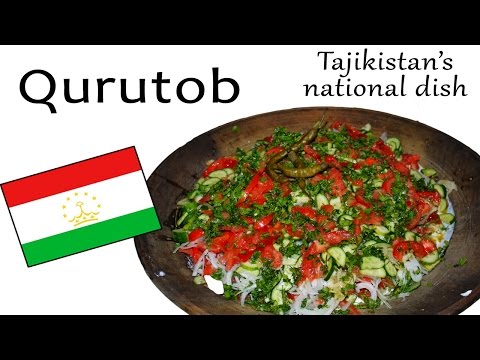
Qurutob is a traditional dish made by combining yogurt balls, vegetables, flatbread, and herbs.
You’ll have to toast the flatbread and break it into bite-sized pieces. Then you layer it in tangy yogurt sauce. It’s then topped with vegetables, herbs, and warm oil or butter, creating a dish with contrasting textures—soft bread, crisp vegetables, and a creamy, slightly sour sauce.
Unlike many main courses, Qurutob is typically served on a large shared platter, encouraging everyone at the table to eat together.
Must Read: Why Sweden Still Loves Its Classic Ärtsoppa
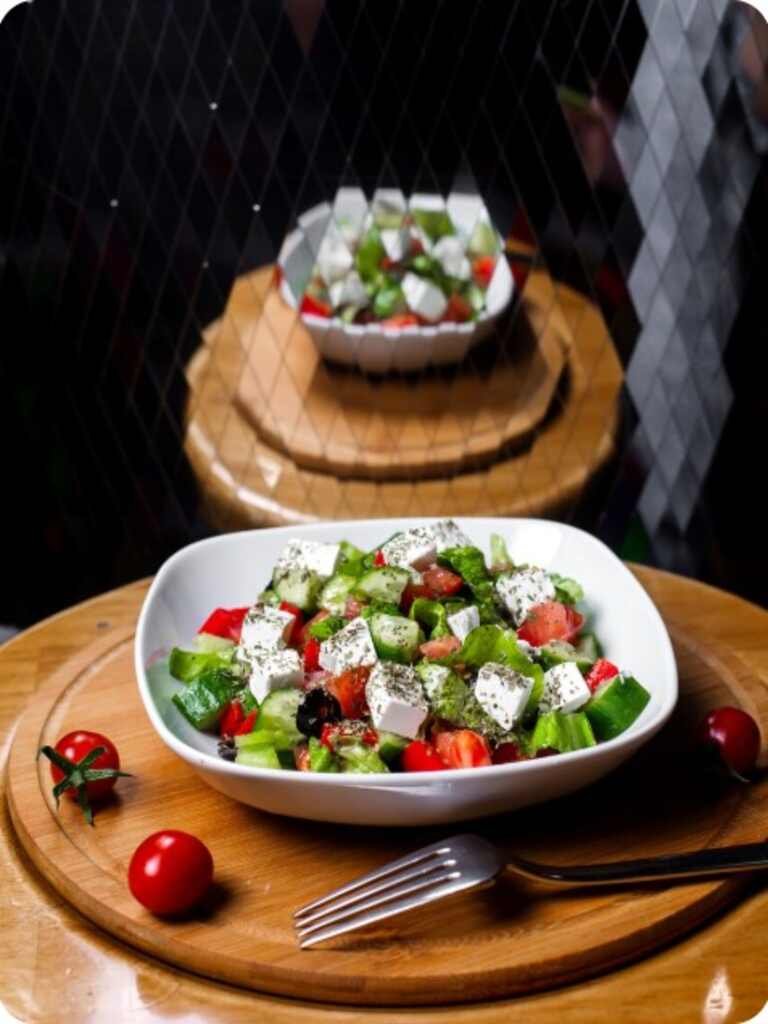
Qurutob: Exploring Tajikistan’s Traditional Dish
Description
Qurutob is a traditional dish made by combining yogurt balls, vegetables, flatbread, and herbs.
You’ll have to toast the flatbread and break it into bite-sized pieces.
Background and Origin
Qurutob comes from the word "qurut," which is a dry Central Asian yogurt balls.
Qurutob evolved from the agricultural and pastoral traditions of Tajikistan, where dairy products and bread have long been dietary staples.
For centuries, families in the mountainous regions relied on:
- Wheat for baking flatbread
- Sheep and cattle for milk
- Fermentation techniques to preserve dairy
One of the most valuable preserved foods was qurut, dried yogurt that could be stored for long periods and rehydrated whenever it was needed. This made it especially practical for herders, travelers, and rural communities.
Over time, cooks combined softened flatbread with dissolved qurut and seasonal vegetables, creating a nourishing meal that required few ingredients while making excellent use of locally available foods.
In many Tajik households, the dish is placed at the center of the table, where family members and guests gather around a single serving. Sharing from one platter reflects values of hospitality, generosity, and togetherness that have long been central to Tajik culture.
Its communal style makes Qurutob especially popular during family gatherings and festive occasions.
Qurutob has remained a cornerstone of Tajikistan's cuisine because it celebrates the essentials—bread, dairy, fresh produce, and community.
Rather than relying on elaborate preparation, it highlights the ingenuity of preserving food, using seasonal ingredients, and bringing people together around a shared meal.
Every serving tells a story of mountain traditions, rural resilience, and the enduring belief that the best meals are often those enjoyed together.
Ingredients
Instructions
How to Prepare Qurutob
- Toast the bread in the oven for about 20 minutes at 100°C.
- Chop and slice the vegetables.
- Soak the yogurt balls in hot water until they release their yogurt juices. Pour it into a big bowl.
- Add the walnuts and herbs and mix evenly.
- Layer in the bread, broken into pieces.
- Then layer in the cucumber, tomatoes, dill, coriander, parsley, and onion.
- Heat the oil and fry some onions in it.
- Pour the oil into the qurotob and layer more vegetables.
- Place the chili peppers on top.
- Eat together and enjoy!
 Video-source–HitchHikers Handbook–YouTube-image-source-magnific
Nutrition Facts
Servings 7
- Amount Per Serving
- Calories 400kcal
- % Daily Value *
- Potassium 400mg12%
- Total Carbohydrate 45g15%
- Protein 10g20%
- Vitamin A 150 IU
- Vitamin C 10 mg
- Calcium 300 mg
- Phosphorus 250 mg
- Magnesium 40 mg
* Percent Daily Values are based on a 2,000 calorie diet. Your daily value may be higher or lower depending on your calorie needs.
Note
Tips for Making Qurotob
- Use traditional fatir bread if available. Fatir's flaky texture absorbs the yogurt sauce while maintaining enough structure to prevent the dish from becoming mushy.
- Prepare the qurut sauce carefully. Dissolve the qurut (or yogurt substitute) completely to create a smooth, creamy sauce with a pleasant tang.
- Use fresh vegetables. Crisp tomatoes, cucumbers, onions, and herbs provide freshness that contrasts beautifully with the softened bread.
- Warm the oil or butter before pouring. Drizzling warm butter or vegetable oil over the vegetables enhances both aroma and flavor.
- Assemble just before serving. This keeps the vegetables fresh while allowing the bread to soften without becoming overly soggy.
- Serve communally. Traditionally, Qurutob is enjoyed from one large platter, making the meal as much about sharing as it is about eating.
Must Read: Surinamese Pom and Its Cultural Roots
Qurutob is more than one of Tajikistan's most treasured dishes—it’s a reflection of the country's values. Built from preserved dairy, handmade bread, and fresh seasonal vegetables, it demonstrates how resourcefulness can create lasting culinary traditions.
More importantly, it reminds us food is often at its richest when shared.
