

For centuries, families, soldiers, farmers, and workers gathered around steaming bowls of Ärtsoppa, a hearty yellow pea soup that became one of Sweden’s most enduring culinary traditions. It’s humble in appearance, yet deeply woven into the country’s history.
Long before modern meal plans and convenience foods, there was a simple rule in many parts of Sweden: Thursday meant pea soup.
Ärtsoppa is a thick soup made primarily from:
- Yellow dried peas
- Onions
- Pork or ham (in traditional versions)
- Herbs and seasonings
The peas are cooked slowly until they soften and create a rich, creamy texture. The result is a filling soup that is both simple and satisfying.
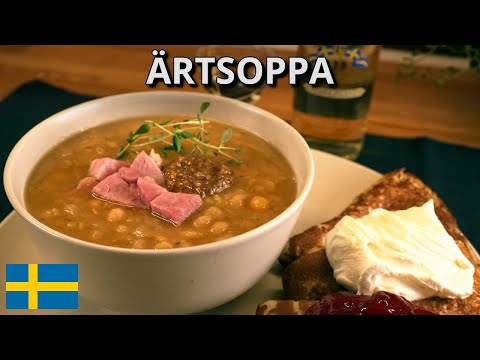
Traditionally, it is served with:
- Mustard on the side
- Crisp bread
- Pancakes and jam, a classic Swedish pairing
The flavor is mild, earthy, and comforting, making it especially popular during colder months.
People Also Read: Surinamese Pom and Its Cultural Roots
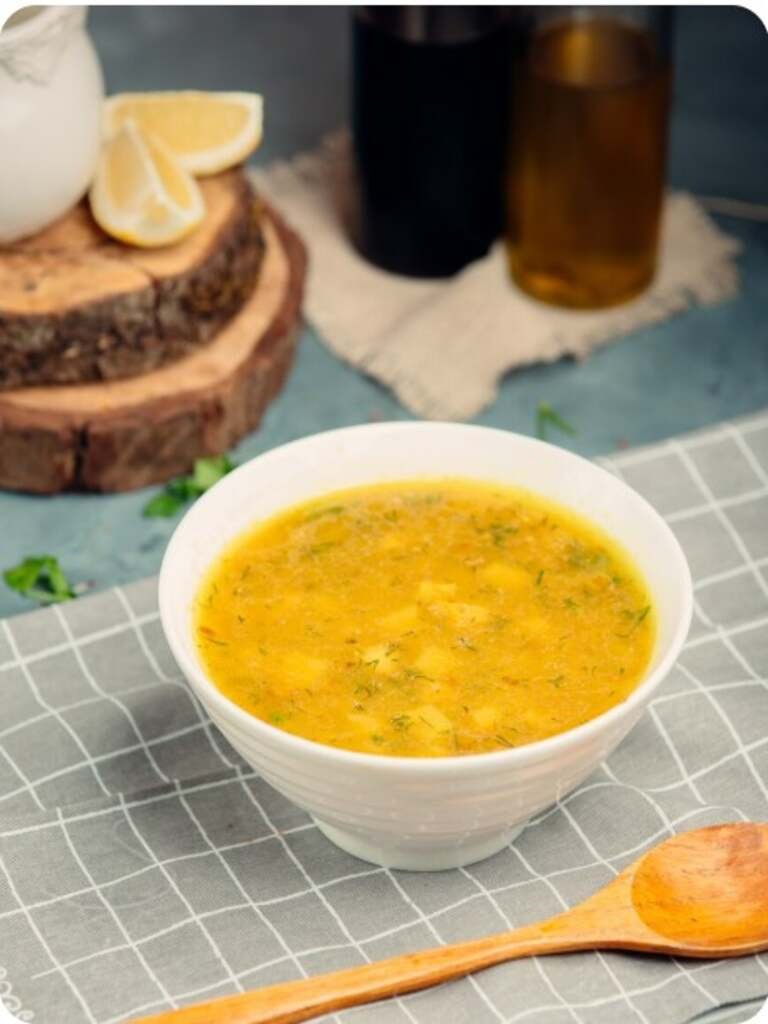
Why Sweden Still Loves Its Classic Ärtsoppa
Description
Ärtsoppa, a hearty yellow pea soup that became one of Sweden’s most enduring culinary traditions. It’s humble in appearance, yet deeply woven into the country's history.
Background and Origin
The roots of Ärtsoppa stretch back to the Middle Ages. Dried peas were an important staple across northern Europe because they:
- stored well through long winters
- were affordable
- provided valuable nutrition
In medieval Sweden, pea soup became especially associated with Thursdays. One explanation traces this custom to the period when Catholic fasting traditions encouraged people to eat a substantial meal before Friday's fast.
The tradition endured even after religious practices changed.
Over time, Ärtsoppa became a standard meal in military barracks, schools, hospitals, and family gatherings.
Its practicality and affordability helped it remain relevant through centuries of social and economic change.
In Sweden, Ärtsoppa represents something larger than a recipe. It reflects a culture that values resourcefulness, simplicity, and nourishment.
The soup does not rely on expensive ingredients or elaborate techniques. Instead, it demonstrates how patience and careful cooking can transform a few basic ingredients into a meal capable of sustaining generations.
And perhaps that is why Ärtsoppa remains beloved today. In a world that often moves quickly, a bowl of slow-cooked pea soup offers something increasingly rare: comfort that has stood the test of time.
Ingredients
Yellow Pea Soup
Pancakes
Instructions
How to Make Artsoppa
- Soak the peas in enough water overnight or for 12 hours.
- Rinse the peas and pour them into a cooking pot. Add the broth.
- Boil until it's halfway tender. Add the onion and the leek.
- Add the marjoram, thyme, and the ham.
- Simmer for 60 minutes. Remove the ham and set it aside.
- Cook again until the peas are soft.
- Chop the ham and add it back into the pot.
- For the pancake, break the eggs into a mixing bowl and add the flour. Mix it evenly and add the milk. Continue to mix until it's consistent.
- Add some butter to a hot pan. Spread it evenly. Scoop and add a ladle of the pancake mix. Cook on both sides for 20 seconds. Repeat until you cook all the pancakes.
- Serve the artsoppa alongside the pancakes with whipped cream and strawberry jam.
 Video source: Food By Drygast—YouTube. Image-source-magnific
Nutrition Facts
Servings 5
- Amount Per Serving
- Calories 150kcal
- % Daily Value *
- Total Fat 7g11%
- Potassium 500mg15%
- Protein 20g40%
- Iron 3 mg
- Phosphorus 150 mg
- Magnesium 50 mg
- Zinc 2 mg
* Percent Daily Values are based on a 2,000 calorie diet. Your daily value may be higher or lower depending on your calorie needs.
Note
Tips for Preparing Artsoppa
- Soak the peas overnight. This helps them cook more evenly and reduces cooking time.
- Cook slowly for the best texture. Gentle simmering allows the peas to break down naturally into a creamy soup.
- Use a flavorful broth. Whether using pork, ham, or a vegetable-based stock, a rich broth adds depth to the dish.
- Season gradually. Add salt toward the end of cooking, as early salting can affect how the peas soften.
- Don't rush the consistency. Ärtsoppa should be thick and hearty but still spoonable.
- Allow leftovers to rest. The soup often tastes even better the next day as the flavors continue to develop.
People Also Read: Fava Bean Stew: How to Make Sudanese Style Ful Medames
Ärtsoppa is a reminder that lasting traditions are often built from the simplest ingredients.
In Sweden, this humble pea soup has nourished generations through changing seasons, social shifts, and centuries of history. Its enduring appeal lies not in complexity, but in its ability to provide warmth, comfort, and a sense of continuity.
Every bowl tells a story of practicality transformed into tradition—proof that some recipes endure because they meet both the needs of the body and the spirit.
