

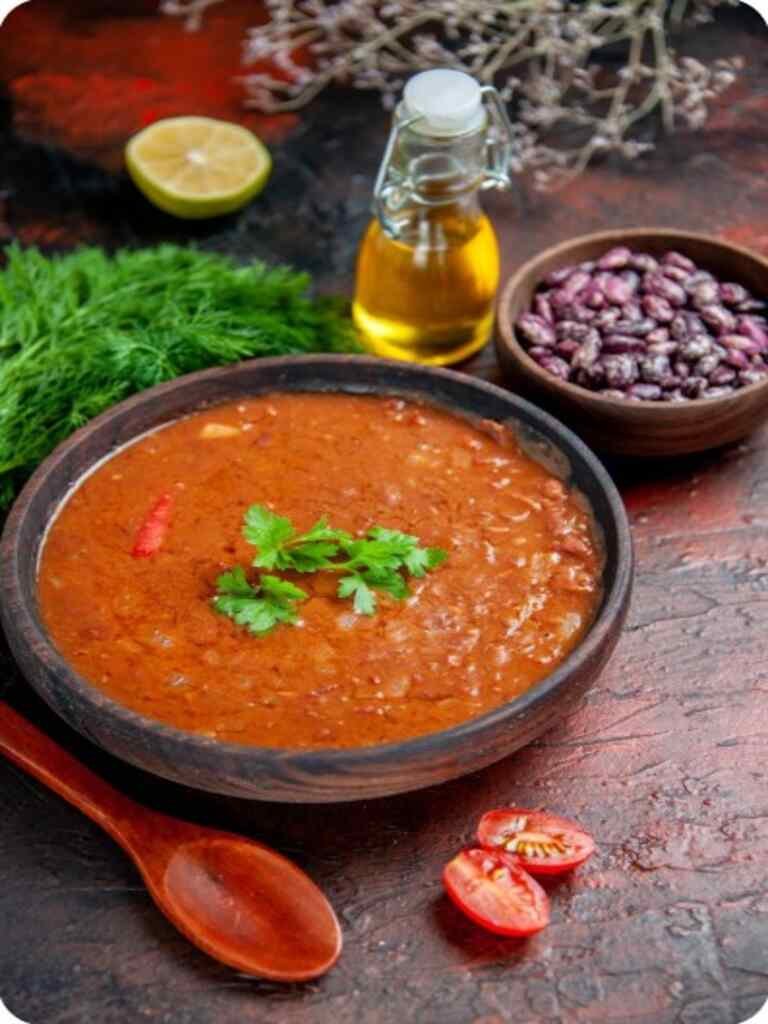
In Sudan, some of the most important meals begin quietly, with a pot of beans simmering before sunrise. The dish is called ful medames, a rich fava bean stew that has fed generations across Sudan and neighboring regions.
It’s simple food, but it carries enormous cultural weight.
Ful Medames is made by cooking fava beans slowly until they become soft and creamy. The beans are then seasoned with ingredients such as cumin, onion, pepper, and salt to taste. Olive oil, canola, or sesame oil is often added for richness.
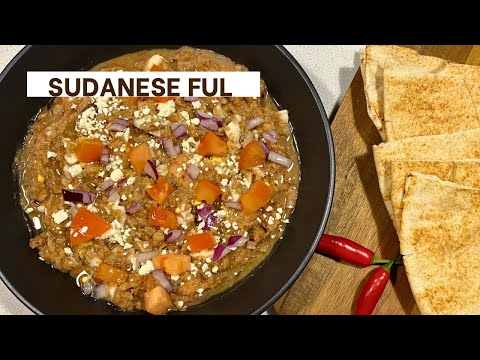
The dish is garnished with,
- chopped boiled eggs
- cheese
- Freshly chopped tomatoes and onions
The texture can range from chunky to smooth, depending on your preferences. It goes with fresh bread.
For this recipe, we’ll use canned fava beans.
Must Read: Kottu Roti: The Sizzle of Sri Lanka’s Street Food Symphony
Fava Bean Stew: How to Make Sudanese Style Ful Medames
Description
The dish is called ful medames, a rich fava bean stew that has fed generations across Sudan and neighboring regions.
Background and Origin
Ful Medames is one of the oldest continuously eaten dishes in northeastern Africa and the Nile region. While variations exist across countries, Sudan developed its own strong connection to the dish through everyday life and agricultural tradition.
Fava beans became important because they were:
- affordable
- nutritious
- easy to store
- capable of feeding large communities
For centuries, Ful was cooked slowly overnight in large pots, allowing workers and families to begin the day with a nourishing meal.
The dish also reflects the historical movement of food and culture along the Nile River, where ingredients, techniques, and traditions traveled between communities over generations.
In Sudan, Ful became especially tied to breakfast culture and urban street food, where vendors continue serving steaming bowls early in the morning. It fills homes, cafés, and roadside stalls because it is dependable, adaptable, and communal.
And perhaps that is its lasting power. A humble bean stew, cooked slowly and shared widely, became part of the rhythm of daily life—and stayed there for centuries.
Ingredients
Instructions
How to Prepare Fava Bean Stew
- Drain and rinse the canned fava beans under running water. You can also choose to use the fava bean broth.
- Put the oil to heat and saute the cream onions for a minute, then add the fava beans. Stir and cook for a minute.
- Add a bowl of water, cumin, pepper, and salt to taste. Cover and cook for 10 minutes.
- Mash the fava beans on the heat to your preferred consistency, but not into a puree.
- Fetch a serving of the beans into a mixing bowl; add some chopped red onion, feta cheese, chopped fresh tomatoes, and chopped boiled egg; and mix gently.
- Garnish with some oil and serve with bread. You can add more boiled eggs and cheese as desired.
 Video source: Asedo’s Kitchen—YouTube—Image-source-Magnific-com
Nutrition Facts
Servings 10
- Amount Per Serving
- Calories 300kcal
- % Daily Value *
- Total Fat 10g16%
- Total Carbohydrate 30g10%
- Protein 15g30%
- Iron 3 mg
- Phosphorus 500 mg
- Magnesium 50 mg
- Zinc 3 mg
* Percent Daily Values are based on a 2,000 calorie diet. Your daily value may be higher or lower depending on your calorie needs.
Note
Tips for Preparing Fava Bean Stew
- Soak the beans overnight. This softens the fava beans and helps them cook more evenly.
- Cook slowly for the best texture. Gentle simmering allows the beans to become creamy without falling apart too quickly.
- Season gradually. Add cumin and salt in stages to build a balanced flavor. You can also add garlic and lemon juice as desired.
- Keep some texture. Slightly mash part of the beans while leaving some whole for a richer consistency.
- Use good-quality oil. Olive oil, canola, or sesame oil adds depth and smoothness to the stew.
- Balance richness with acidity. Lemon juice brightens the earthy flavor of the beans.
- Serve hot and fresh. Fava bean stew tastes best warm, especially with fresh bread.
Must Read: Salmorejo: Discover Spain’s Cold Soup Beyond Gazpacho
Ful Medames reflects the enduring simplicity of food culture in Sudan. The dish is built from humble fava beans and slow cooking, becoming a dish capable of sustaining generations through everyday life.
Its lasting presence proves that some of the world’s most meaningful meals are not defined by rarity or complexity but by their ability to quietly bring comfort day after day.
