

In Tanzania, plantains are a staple ingredient that has sustained communities for centuries. One of the country’s most beloved traditional meals, Ndizi Nyama, brings together two everyday ingredients, green bananas and slow-cooked meat, to create a dish that is both nourishing and deeply rooted in Tanzanian culture.
Simple yet full of flavor, Ndizi Nyama reflects the close relationship between the land, agriculture, and family life.
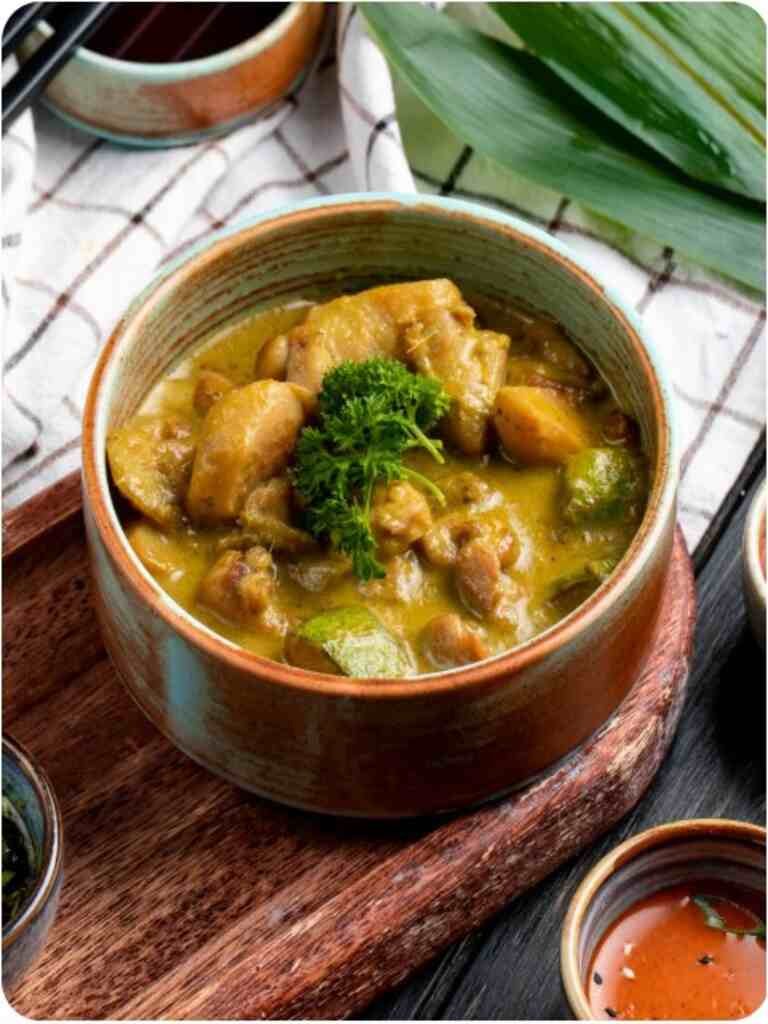
Ndizi Nyama, which translates to “banana and meat,” is a hearty stew made with green plantains, indigenous to Africa and the Caribbean. It’s made with beef or goat meat and seasoned with onions, tomatoes, coconut milk, and spices.
The meat is simmered until tender before the plantains are added, allowing them to absorb the rich broth. The result is a thick, comforting stew where the plantains become soft without losing their shape.
Must Read: Authentic Shakriyeh: The Celebratory Dish That Brings Syrian Families Together
The Story of Tanzania’s Ndizi Nyama
Description
Ndizi Nyama, which translates to "banana and meat," is a hearty stew made with green plantains, indigenous to Africa and the Caribbean.
Background and Origin
Ndizi Nyama has its roots in the agricultural communities of northern Tanzania, particularly around the fertile slopes of Mount Kilimanjaro, where plantains have been cultivated for generations.
Among communities such as the Chagga, cooking plantains became one of the most important staple foods because they:
- Grew abundantly in the region's volcanic soils.
- Could be harvested throughout much of the year.
- Paired well with locally raised livestock.
As trade expanded across East Africa, new ingredients such as tomatoes and spices were incorporated into traditional stews, enriching the dishes while preserving their local identities.
Over time, Ndizi Nyama spread beyond the highlands and became a favorite across many parts of Tanzania, with regional variations reflecting local ingredients and tastes.
Ndizi Nyama represents the abundance of Tanzania's fertile landscapes. It showcases how farming communities transformed readily available crops and livestock into meals capable of feeding entire families.
The combination of plantain and meat may seem unusual to newcomers. Still, in Tanzania, it reflects a practical understanding of balance—starchy fruit providing energy, meat offering protein, and vegetables adding freshness and flavor.
Ingredients
Instructions
How to Prepare Ndizi Nyama
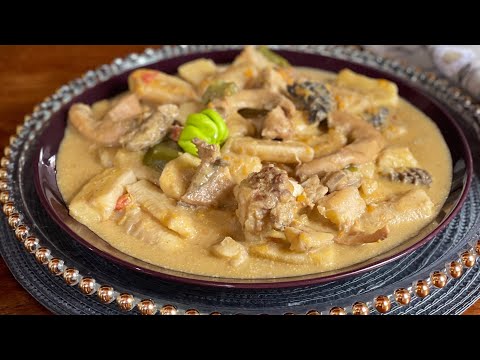
- Sauté the onion until it’s translucent. Add the cooked beef tripe. Cook for 2 minutes, then add the turmeric, paprika, and salt.
- Add the grated carrot and cook for 3 minutes. Pour in the chopped green pepper and tomatoes and cook for 2 minutes.
- Add the chopped plantain and the coconut milk. Cover the pot and cook for 15 minutes.
- Add the tripe stock and cook for 12 more minutes on low heat.
- Stir and adjust the seasoning as desired.
- Add the heavy coconut cream.
- Stir and simmer for 2 minutes.
- Serve and enjoy!
 https://youtu.be/gZenf9wqtKQ Video source-Fooddiary Tz–YouTube-Image-source-Magnific
Nutrition Facts
Servings 10
- Amount Per Serving
- Calories 350kcal
- % Daily Value *
- Potassium 700mg20%
- Total Carbohydrate 40g14%
- Protein 20g40%
- Vitamin C 15 mg
- Iron 2 mg
- Vitamin B6 0.4 mg
- Magnesium 50 mg
- Zinc 3 mg
* Percent Daily Values are based on a 2,000 calorie diet. Your daily value may be higher or lower depending on your calorie needs.
Note
Tips for Preparing Ndizi Nyama
- Choose plantains. Use unripe cooking bananas or plantains, as they hold their shape during cooking and absorb the rich flavors of the stew.
- Cook the meat until tender. Allow enough time for the meat to soften before adding it to the sauce.
- Use fresh aromatics. Garlic, ginger, onions, and tomatoes create a flavorful base that enhances the stew naturally.
- Add coconut cream at the right time
If using coconut cream, stir it in during the final stage of cooking to preserve its creamy texture. - Simmer gently. A slow simmer allows the bananas to absorb the broth without breaking apart.
- Serve with fresh greens. A side of sautéed vegetables or leafy greens adds freshness and complements the hearty stew.
Must Read: Qurutob: Exploring Tajikistan’s Traditional Dish
Ndizi Nyama remains a cherished comfort food in Tanzania because it connects people to the country's agricultural heritage.
Every pot celebrates the crops that have sustained generations and the traditions that continue to bring families together around the dinner table. More than a stew, Ndizi Nyama is a reminder that the most enduring recipes are often those that grow directly from the land and the communities that care for it.
