

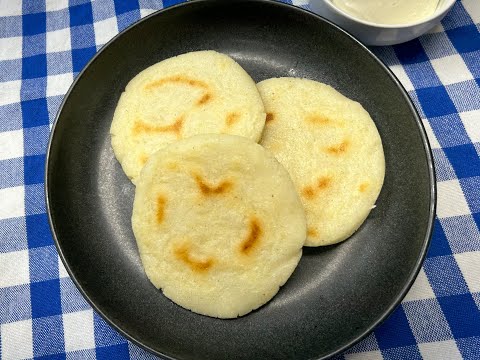
Arepas are one of Venezuela’s most recognizable foods. They are round, flat corn cakes made from a simple dough of pre-cooked corn flour, water, and salt. The dough is shaped into small discs and traditionally cooked on a griddle, although they can also be baked or fried.
What makes Venezuelan arepas particularly interesting is their versatility. They can be eaten plain as a side dish or cut open and filled with ingredients such as shredded beef, chicken, cheese, avocado, beans, eggs, or vegetables.
Must Read: Laplap: Vanuatu’s National Dish Wrapped in Island Tradition

Venezuelan Arepas: Easy Ways to Fill and Serve Them
Description
Arepas are round, flat corn cakes made from a simple dough of pre-cooked corn flour, water, and salt.
Background and origin
The history of the arepa goes back well before the arrival of the Spanish in South America. Indigenous peoples in the northern part of South America, including communities in areas that are now Venezuela and Colombia, cultivated maize and developed ways of turning it into nutritious everyday foods.
Corn was an important staple, and Indigenous communities processed maize by soaking, grinding, and shaping it into cakes that could be cooked over a fire or hot surface. The exact origins of the modern arepa are difficult to assign to one country because Venezuela and Colombia share a long Indigenous culinary history involving corn-based flatbreads.
Over centuries, the arepa became deeply established in Venezuelan cuisine. Different regions and families developed their own ways of preparing and filling them. Eventually, arepas became an everyday food eaten at breakfast, lunch, dinner, or as a snack.
A major change came in the 20th century with the development of industrial pre-cooked corn flour. This made preparing arepas much faster and easier. Instead of processing whole maize from scratch, households could mix the ready-made flour with water and salt, shape the dough, and cook it within minutes.
For many Venezuelans, an arepa is connected to home, family, and childhood. A family might prepare a batch of arepas in the morning and allow everyone to choose their preferred filling.
Their popularity has also allowed Venezuelan cuisine to travel internationally. Today, Venezuelan-style arepas can be found in restaurants and homes far beyond South America.
Ingredients
Instructions
How to Prepare Arepas
- In a mixing bowl, add the lukewarm water and salt. Mix until the salt dissolves.
- Pour the floor in the water little by little while mixing it. Mix evenly to avoid lumps.
- Wet your hands in water and continue to work the mixture until it's consistent.
- Cover the dough with a kitchen towel for 5 minutes.
- Wet your hands again and scoop out a tennis-sized dough; make a thick oval shape by pressing in your palms. Repeat until you shape all the dough for frying.
- Brush a frying pan with oil.
- Once it's hot, place the arepas on it and cook for 3 minutes on each side until golden brown.
- If you’re using an oven, only bake for 10 minutes.
- Spread with butter and cheese. Enjoy!
 Video source: Sazoned–YouTube–Image–source–Magnific
Note
Tips for Making Arepas
- Use pre-cooked corn flour. Look for flour specifically made for arepas. It gives the dough the right texture and makes preparation easier.
- Get the water-to-flour ratio right. Add the flour gradually to warm or room-temperature water while mixing. The dough should be soft and moist, not sticky.
- Let the dough rest. Give the dough about 5 minutes to absorb the water. This makes it easier to shape.
- Avoid making them too thick. Medium-thick arepas cook more evenly. Very thick ones can remain undercooked in the middle.
- Smooth the edges. After shaping the arepas, run slightly wet fingers around the edges to smooth out any cracks. This helps them hold together while cooking.
- Cook over medium heat. Medium heat allows the outside to develop a light crust without burning before the inside cooks.
- Don't overcrowd the pan. Leave enough space between the arepas so you can turn them easily.
- Try different fillings. Once cooked, slice the arepa open and fill it with cheese, chicken, avocado, shredded beef, beans, eggs, or vegetables.
Must Read: Chivito: Uruguay’s Legendary Steak Sandwich with a Surprising History
The real creativity with arepas comes with the filling. From simple cheese to combinations of chicken, avocado, beef, beans, and vegetables, the possibilities are extensive.
Venezuelan arepas represent how a simple Indigenous corn-based food evolved into one of the country's most beloved national dishes. Their history stretches back centuries, while their place in modern Venezuelan life continues to evolve.
