

Some foods become staples because they are versatile enough to accompany almost any meal. Ablo is one of them. Soft, slightly sweet, and delicately fermented, these steamed rice cakes have been a cherished part of everyday life in Togo for generations.
Whether served with grilled fish, spicy tomato sauce, or rich stews, ablo is a symbol of West African ingenuity, transforming simple grains into something light, flavorful, and satisfying.
Ablo is a traditional steamed cake made primarily from rice flour, cornstarch, sugar, yeast, semolina, or normal flour.
The batter is allowed to ferment before being poured into small molds and steamed until soft and fluffy.
Ablo is commonly served alongside:
- Fish stew
- Fried fish
- Tomato-based sauces
- Grilled meats
- Vegetable dishes
Its mild flavor makes it an excellent companion to bold, savory meals.
Must Read: Khao Soi: The History of Thailand’s Creamy, Spicy, & Unforgettable Dish
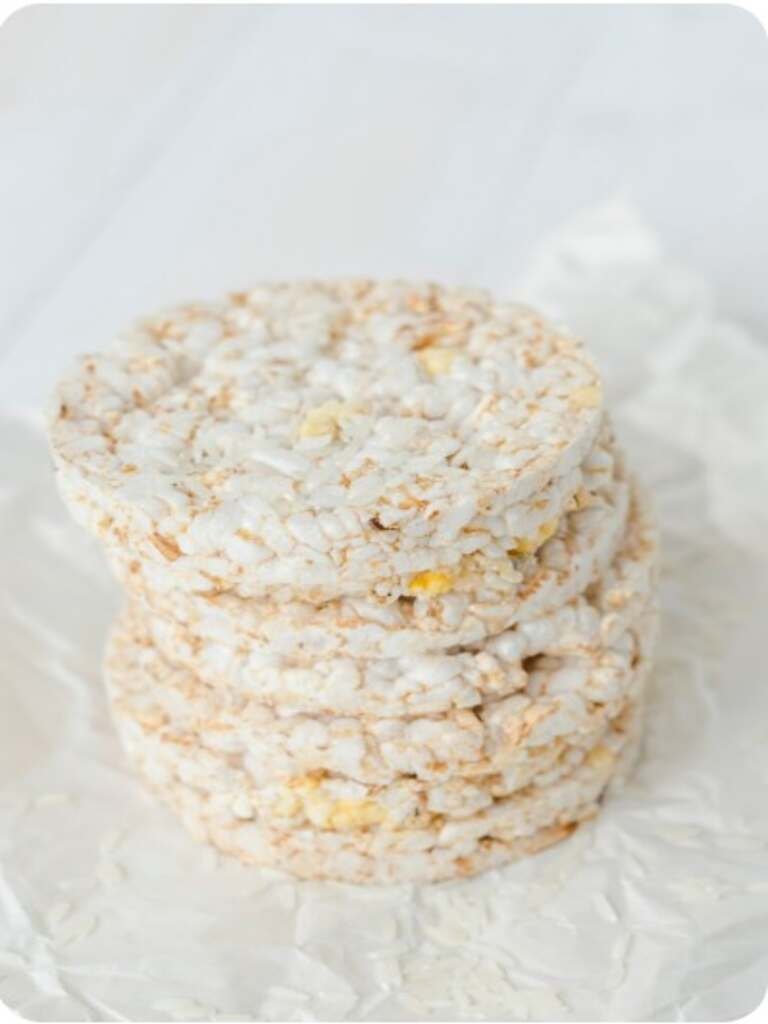
The Cultural Journey of Togolese Ablo: Soft, Steamed, and Celebrated
Description
Ablo is a traditional steamed cake made primarily from rice flour, cornstarch, sugar, yeast, semolina, or normal flour.
Background and Origin
Ablo originated among the coastal communities of present-day Togo and neighboring Benin, where rice cultivation and grain-based foods have long played an important role in local diets.
Over generations, communities developed fermentation techniques that improved both the texture and flavor of grain-based batters. Steaming, rather than baking or frying, produced soft cakes that stayed moist and paired well with soups and sauces.
As trade expanded along the Gulf of Guinea, Ablo spread across the region, becoming especially popular among the Ewe and other communities. Although recipes vary slightly from household to household, the dish remains closely associated with Togolese culinary traditions.
Its subtle sweetness contrasts beautifully with spicy stews, while its airy texture absorbs flavorful sauces without becoming heavy. This harmony has made it a favorite accompaniment at both everyday meals and festive occasions.
Because it is steamed rather than fried, Ablo also demonstrates how traditional cooking methods can produce satisfying food with remarkable simplicity.
This fluffy cake remains one of the most recognizable traditional foods in Togo. Its enduring appeal lies in its adaptability—it can accompany seafood, meat, or vegetables while maintaining its own distinctive character.
More than a steamed rice cake, Ablo represents the creativity of communities that perfected the art of fermentation and steaming. It reminds us that even the simplest ingredients, when treated with patience and skill, can become an essential part of a nation's culinary identity.
Ingredients
Instructions
How to Make Togolose Ablo
- In a big bowl, mix the semolina and rice flour evenly. Divide it into three equal parts and use one part for the porridge. This is locally called making the adansi.
- Mix the one part with about 1 and a half cups of water and put it on medium heat. Stir consistently until you have a thick porridge.
- Transfer the adansi into a large mixing bowl and allow it to cool.
- Add all the other dry ingredients, including the remaining semolina mix, yeast, sugar, salt, and cornstarch. Mix it evenly.
- Then combine the flour mix with the adansi. Mix until it’s consistent. Add some warm water as desired, then continue mixing until you have a consistent mixture. Use a hand mixture for consistency and a fluffy texture.
- Cover it and allow the butter to rest for an hour.
- Scoop them into small molds for steaming.
- Steam the ablo for 10 to 15 minutes.
- The result is a soft, fluffy white cake.
- You can enjoy it alone or with fried fish and tomato sauce.
 Video source: KeliGrace–YouTube–Image-source-Magnific

Nutrition Facts
Servings 15
- Amount Per Serving
- Calories 220kcal
- % Daily Value *
- Total Fat 0.5g1%
- Potassium 70mg2%
- Total Carbohydrate 45g15%
- Protein 7g15%
- Iron 1 mg
- Folate 30 mcg
- Phosphorus 80 mg
- Magnesium 25 mg
- Manganese 0.5 mg
* Percent Daily Values are based on a 2,000 calorie diet. Your daily value may be higher or lower depending on your calorie needs.
Note
Tips for Making Ablo
- You can use normal flour instead of semolina.
- Use finely ground rice flour. A smooth flour helps create the light, soft texture that Ablo is known for.
- Allow enough time for fermentation. Fermentation gives Ablo its characteristic airy structure and subtle tang. Rushing this step can result in dense cakes.
- Keep the batter slightly thick. The batter should pour easily but still be thick enough to hold its shape during steaming.
- Steam over gently boiling water. Moderate steam cooks the cakes evenly and prevents them from becoming rubbery.
- Grease the molds lightly. This makes it easier to remove the steamed cakes without breaking them.
- Avoid overfilling the molds. Ablo rises as it steams, so leave space for expansion.
- Serve warm. Freshly steamed Ablo has the softest texture and pairs beautifully with savory dishes.
- Pair with flavorful accompaniments. Ablo is traditionally served with fish, spicy tomato sauce, vegetable stews, or grilled meats that complement its mild sweetness.
Must Read: Batar Da’an: The History and Heritage of East Timor
Ablo is a beautiful example of how patience and tradition can elevate simple ingredients into something memorable.
In Togo, these soft steamed rice cakes have become a cherished companion to countless family meals, bringing balance and comfort to the table.
Their light texture and subtle flavor reflect the ingenuity of generations who mastered fermentation and steaming techniques.
