

In the Solomon Islands, desserts don’t try to impress with decoration; they win you over with warmth. Cassava pudding arrives quietly: soft, fragrant, and gently sweet, carrying the unmistakable richness of coconut and the earthiness of root crops.
Cassava pudding is a baked or steamed dessert made from grated cassava combined with coconut milk and a touch of sweetness. The mixture is often wrapped in banana leaves or cooked in simple trays, allowing it to firm up into a soft, sliceable texture.
Typical ingredients include:
- Fresh cassava (grated)
- Coconut milk
- Potato or natural sweeteners
The result is dense yet tender, with a subtle sweetness and a creamy, coconut-infused flavor.
People Also Read: Idrijski Žlikrofi: Exploring Slovenia’s Stuffed Potato Dumplings
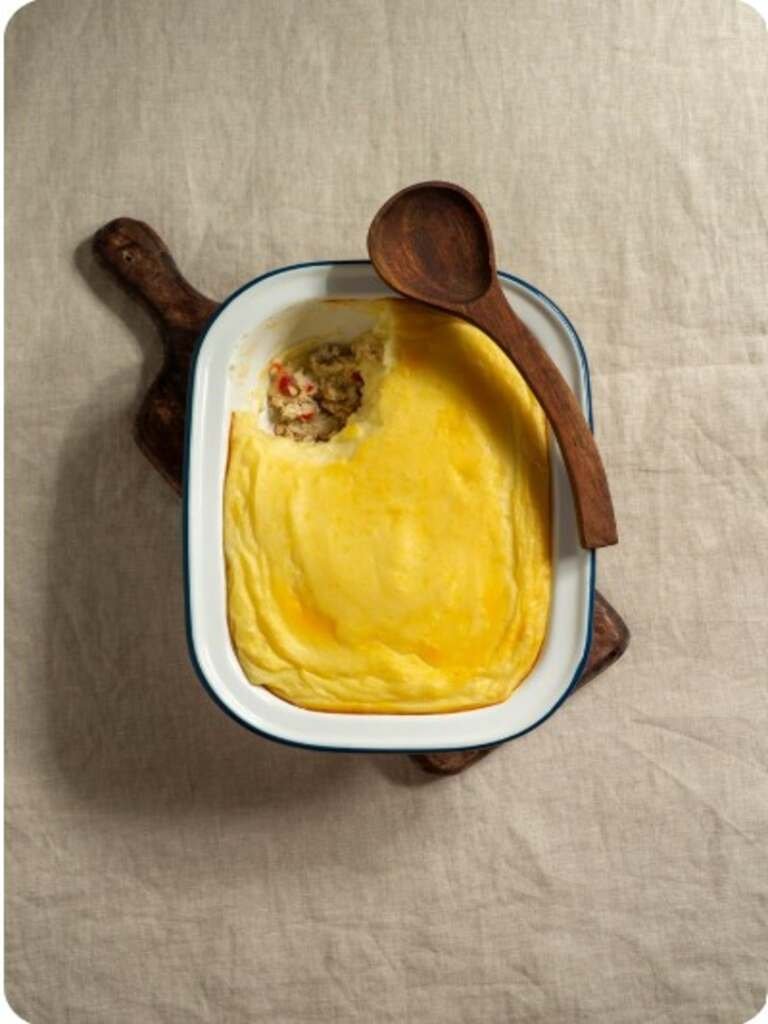
Cassava Pudding: The Rich Simplicity of Solomon Islands
Description
Cassava pudding is a baked or steamed dessert made from grated cassava combined with coconut milk and a touch of sweetness.
Background and Origin
Cassava pudding is rooted in the subsistence lifestyle of Pacific Island communities, where food traditions grew directly from what the land provided.
Cassava became a staple crop in the Solomon Islands because
- It grows well in tropical conditions
- It is reliable and easy to harvest
- It provides sustained energy
Coconut, equally abundant, naturally paired with cassava, creating a combination that became foundational in local cooking.
The method of wrapping food in banana leaves reflects long-standing cooking techniques used across the Pacific. It's practical, natural, and deeply tied to the environment.
Unlike desserts shaped by imported ingredients, cassava pudding represents a cuisine that remained grounded in local resources and traditional methods, even as outside influences reached the islands.
This snack continues to be prepared for family meals, gatherings, and community events in the Solomon Islands. It doesn’t rely on complexity—it relies on familiarity.
Each bite reflects a way of cooking that values simplicity. And in that simplicity, cassava pudding tells a deeper story: one of resilience, resourcefulness, and a lasting connection between food and the land it comes from.
Ingredients
Instructions
How to Make Cassava Pudding in 10 Steps
- Place large river stones in a circle to make a fire. Use enough dry coconut husks and wood and place them in the middle of the stones. Make the fire.
- Pile more river stones on the fire.
- Once the stones are heating up, peel the cassava.
- Wash the cassava and finely grate it. Ensure to remove the string inside the cassava. Also, peel and grate the potato.
- Place the pudding in a clean cloth and squeeze the liquid out. Set the liquid aside.
- Grate the coconuts and add about a half cup of water. Sieve or strain it to separate the juice from the chaff.
- From the cassava liquid you set aside, strain the water to reveal the thick starch at the bottom. Add the starch to the cassava pudding to hold it together. Then add the coconut milk cream and mix. The result is neither too dry nor too wet.
- Check the fire; the stones are hot now. Pass the banana leaves over the fire briefly to make them tender for folding. Also, remove the ribs from the banana to make it easier to fold.
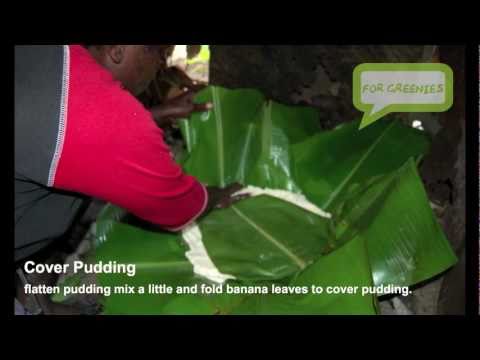
- Remove some of the hot stones from the fire and set them aside. Place about 5 banana leaves on the main hot stones to serve as a base. Pour in the cassava pudding. Wrap the banana leaves around it or cover it with more banana leaves. Place the other hot stones set aside on the wrapped pudding. Cover it with more banana leaves to heat up. Also, cover with 3 or more sacks and protect the heat. Leave it to cook for 4 hours or overnight.
- Serve and enjoy!
 Video credit: forgreenies–YouTube. Image source: Freepik
Nutrition Facts
Servings 15
- Amount Per Serving
- Calories 250kcal
- % Daily Value *
- Total Fat 20g31%
- Total Carbohydrate 55g19%
- Protein 4g8%
* Percent Daily Values are based on a 2,000 calorie diet. Your daily value may be higher or lower depending on your calorie needs.
Note
Tips for Making Cassava Pudding
- Use fresh cassava. Freshly grated cassava gives the best texture and flavor. Avoid overly dry or processed versions if possible.
- Grate finely and evenly. A fine grate ensures a smooth, cohesive pudding without fibrous bits.
- Squeeze out excess liquid. Removing the moisture helps the pudding set properly and prevents it from becoming soggy.
- Use fresh coconut milk. Full-fat coconut milk creates a creamier, more traditional taste.
- Balance sweetness gently. Add a natural sweetener like sweet potato or banana.
- Wrap with banana leaves if available. This adds a subtle aroma and helps retain moisture during cooking.
- Allow it to cool slightly before slicing. This helps it firm up and hold its shape.
Must Read: Rustic and Rich: Slovakia’s Bryndzové Halušky Tradition
Cassava pudding reflects the quiet strength of food traditions in the Solomon Islands. It’s built from cassava and coconut, turning everyday ingredients into something comforting and enduring.
In every slice, you taste more than sweetness—you taste a way of life grounded in resourcefulness, patience, and a deep connection to the land.
