

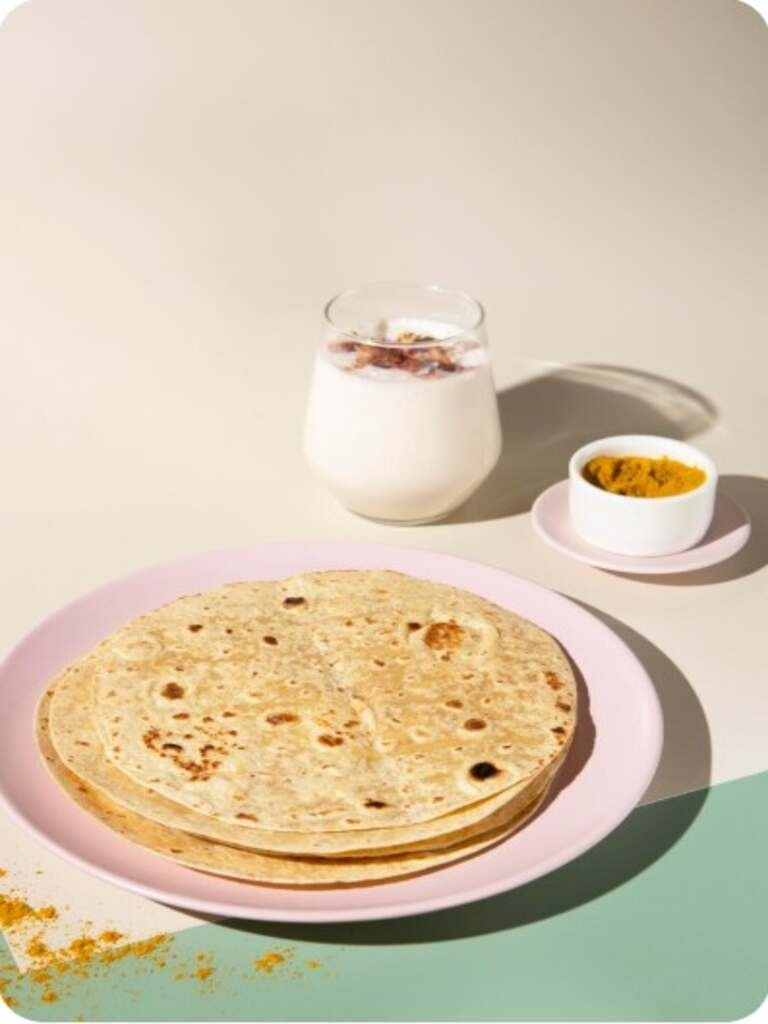
In South Sudan, sorghum is more than a crop—it’s survival, memory, and tradition woven into daily life. And one of the clearest expressions of that connection is the sorghum pancake, a soft, fermented flatbread-like pancake made from one of Africa’s oldest grains
South Sudanese sorghum pancakes are made from ground sorghum flour, wheat flour, water, and sometimes natural fermentation starters or yeast.
In modern times, you can add sugar, vanilla extract, milk, and eggs to make a breakfast pancake. But this option cannot be eaten with stews.
The batter is left to ferment slightly before being spread thinly onto a hot cooking surface. The result sits somewhere between a pancake and flatbread—soft, flexible, slightly tangy, and full of earthy flavor.
These pancakes are commonly eaten with stews, vegetable sauces, and meat dishes.
They are not overly sweet like Western pancakes. Instead, they function as a staple food—something meant to nourish and accompany communal meals.
Read Also: Cassava Pudding: The Rich Simplicity of Solomon Islands
How to Make South Sudanese Sorghum Pancake
Description
South Sudanese sorghum pancakes are made from ground sorghum flour, wheat flour, water, and sometimes natural fermentation starters or yeast.
Background and Origin
Sorghum has been cultivated across northeastern Africa for thousands of years because it thrives in hot, dry climates where other grains struggle.
In South Sudan, communities relied on sorghum because it’s resilient during droughts, is preserved for a longer period, and provides steady nourishment.
Over generations, people developed methods of grinding, fermenting, and cooking sorghum into practical everyday foods. The pancake form became especially useful because it cooked quickly and paired easily with many dishes.
The fermentation process also reflects long-standing African culinary knowledge—using time and natural bacteria to improve flavor, texture, and digestibility.
Today, sorghum pancakes remain deeply tied to home cooking and cultural identity in South Sudan.
In a region shaped by environmental challenges and historical hardship, sorghum remained dependable. And through that dependability, it became part of the rhythm of everyday life.
Ingredients
Instructions
How to Make Sorghum Pancake
- Add the plain and sorghum flours to a mixing bowl.
- Scoop in the sugar and the baking powder.
- Add the salt and combine the ingredients evenly.
- Break the eggs into a separate bowl. Add the warm milk, melted butter, and vanilla extract. Whisk evenly and add it to the flour mixture. Mix it thoroughly to achieve a consistent thick liquid.
- In a saucepan, brush it with some oil. You can also use a flat surface as a saucepan
- Once the pan is hot, scoop in about 3 tbsp of the sorghum pancake mixture. Spread it to flatten.
- Let it cook for 30 seconds, then flip it over. Repeat the process and fry all the pancakes. Serve with slices of banana, strawberries, and honey.
- Traditionally, you only need to mix sorghum and wheat flour with water and let it ferment overnight or for a few days. Then bake it in a hot, flat pan like a pancake. This version is served with traditional South Sudanese stew.
 Video source: ZimboKitchen–YouTube. Image source—Freepik

Nutrition Facts
Servings 13
- Amount Per Serving
- Calories 250kcal
- % Daily Value *
- Total Fat 3g5%
- Potassium 120mg4%
- Total Carbohydrate 55g19%
- Protein 8g16%
- Iron 3 mg
- Phosphorus 100 mg
- Magnesium 40 mg
* Percent Daily Values are based on a 2,000 calorie diet. Your daily value may be higher or lower depending on your calorie needs.
Note
Tips for Making Sorghum Pancakes
- Use finely ground sorghum flour. A smoother flour creates softer, more flexible pancakes.
- Allow time for fermentation. Even a short fermentation improves flavor, texture, and digestibility.
- Keep the batter pourable. The consistency should be thinner than cake batter so it spreads evenly.
- Cook on a well-heated surface. A properly heated pan prevents sticking and helps create an even texture.
- Spread quickly and evenly. Thin pancakes cook more uniformly and stay flexible.
- Avoid overcooking. Sorghum pancakes should remain soft, not dry or brittle.
- Pair with savory dishes. Stews, beans, and vegetables complement the mild, earthy flavor best.
People Also Read: Bobotie: The Story Behind South Africa’s Sweet Meets Savory
The South Sudanese sorghum pancake reflects the strength of simple food traditions in South Sudan. It’s built from a grain that has sustained these communities for centuries and represents resilience, adaptability, and everyday nourishment.
Its value lies not in extravagance, but in its quiet ability to bring people together around meals shaped by land, climate, and tradition.
Happy cooking!
