

Some foods begin as a quick meal for workers and end up becoming national icons. Doubles is one of those rare creations.
You can find this meal on busy street corners, market stalls, and roadside vendors throughout Trinidad and Tobago. Affordable, flavorful, and endlessly customizable, this beloved street food has become one of the country’s most recognizable culinary exports.
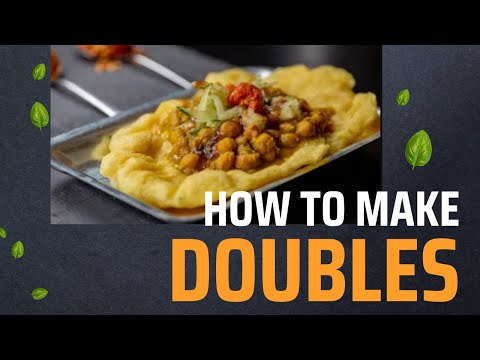
Doubles consist of two soft pieces of fried flatbread known as “barra,” filled with a spiced chickpea curry called “chana.”
The dish is often topped with a variety of condiments, including:
- Tamarind sauce
- Pepper sauce
- Cucumber chutney
Although it is often eaten for breakfast, Doubles is enjoyed throughout the day by people from all walks of life.
Must Read: Batar Da’an: The History and Heritage of East Timor
Why Doubles Defines Trinidadian Street Food
Description
Doubles consist of two soft pieces of fried flatbread known as "barra," filled with a spiced chickpea curry called "chana."
Background and Origin
The origins of Doubles can be traced to the arrival of Indian indentured laborers in Trinidad and Tobago during the 19th century.
These workers brought with them culinary traditions from the Indian subcontinent, including:
- Flatbreads
- Curries
- Chickpea dishes
- Spice blends
Over time, these traditions blended with local Caribbean ingredients and tastes, creating new dishes unique to Trinidad and Tobago.
One popular food was a single piece of barra served with curried chickpeas. Vendors eventually began placing a second piece of bara on top, making the meal easier to hold and eat while on the move.
Customers began asking for the version with "double" bread, and the name Doubles was born.
By the early 20th century, the dish had become a staple of Trinidadian street food culture.
Doubles reflect the multicultural identity of Trinidad and Tobago.
Its ingredients and techniques draw heavily from Indian culinary traditions, yet the final product is unmistakably Caribbean. The addition of local sauces, tropical flavors, and regional preferences transformed it into something entirely new.
Today, Doubles stands as a delicious example of how migration and cultural exchange can shape a nation's cuisine.
Ingredients
Barra (Vegan Flatbread)
Chana (Mild Chickpea Curry)
Instructions
How to Make Doubles
- Mix the flour, turmeric, yeast, salt, and sugar in a big bowl. Add a little bit of lukewarm water and knead. You don’t want a soft dough or a hard dough. Just add a little water to make it manageable.
- Transfer the dough to a clean table, sprinkle with some flour, and knead until evenly combined.
- Add the oil and continue to knead. Cover the dough and put it aside for 30 minutes.
- Then cut and make small balls of dough, setting them aside.
- Sprinkle some oil on the clean table, and take each ball of dough and stretch it out.
- Then deep fry it in hot oil. As soon as the doubles rise, flip to fry the other side.
- Stretch and deep-fry all the balls of dough. Once ready, keep them in kitchen towels and covered.
- For the chana, add the oil to the pan over medium heat. Sauté the onions and coriander, and add the scotch bonnet, garlic, curry, and turmeric powder. Stir it and add about a half cup of water.
- Add the chickpeas and simmer for 40 minutes. Sprinkle salt to taste.
- Serve the barra with chana alongside pepper sauce, tamarind sauce, and sliced cucumbers.
 Video source: Sweet TnT Magazine-image-source-magnific
Nutrition Facts
Servings 7
- Amount Per Serving
- Calories 600kcal
- % Daily Value *
- Total Fat 10g16%
- Potassium 300mg9%
- Total Carbohydrate 50g17%
- Dietary Fiber 8g32%
- Protein 10g20%
- Iron 2 mg
- Folate 100 mcg
- Phosphorus 120 mg
- Magnesium 40 mg
* Percent Daily Values are based on a 2,000 calorie diet. Your daily value may be higher or lower depending on your calorie needs.
Note
Tips for Making Doubles
- You can use all-purpose flour in making doubles, too.
- Allow the barra dough to rest. Proper resting helps create the soft, airy texture that makes Doubles easy to fold and eat.
- Use warm spices in the chana. Traditional chickpea filling benefits from curry powder, cumin, turmeric, and garlic for depth of flavor.
- Cook the chickpeas until tender. Soft chickpeas absorb the spices better and create the creamy consistency expected in authentic Doubles.
- Keep the barra soft, not crispy. Unlike many fried breads, bara should remain pliable enough to wrap around the filling.
- Balance the condiments. Tamarind adds sweetness, pepper sauce brings heat, and chutneys contribute freshness and complexity.
- Serve immediately. Doubles taste best when the warm chickpea filling meets freshly fried barra.
- Control the spice level. Traditional versions can be quite spicy, so adjust the pepper sauce according to preference.
- Eat it by hand. Part of the experience is enjoying Doubles the way generations of Trinidadians have—fresh from the vendor and eaten without utensils.
Must Read: The Story of Tanzania’s Ndizi Nyama
More than street food, Doubles represents the story of adaptation and community. It shows how people carried traditions across oceans, blended them with new influences, and created a dish that became a defining part of national identity.
Every bite of Doubles tells a story of movement, resilience, and the vibrant cultural tapestry that makes Trinidad and Tobago unique.
