

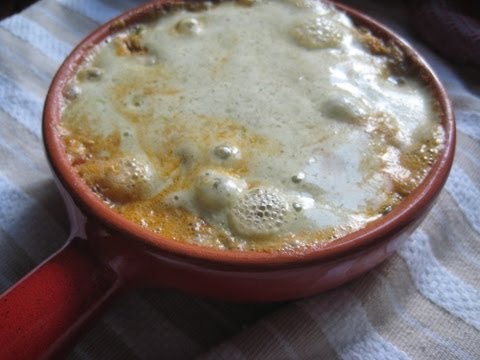
Saltah is one of Yemen’s traditional dishes and is widely regarded as the country’s national dish. It’s a rich, hearty stew that is usually served bubbling hot in a stone or metal bowl, making it one of the most comforting meals in Yemeni cuisine.
Saltah is especially popular as a lunchtime dish. You can enjoy it at homes and restaurants across much of Yemen, particularly in the northern regions.
The dish is built around a flavorful brown broth or meat stew. On top of the stew sits one of Saltah’s most distinctive ingredients: hulbah, a light and frothy whipped fenugreek mixture. It’s often finished with a spicy sauce made from chilies, garlic, herbs, and spices. Together, these layers create a unique combination of savory, spicy, and slightly tangy flavors.
Must Read: Vietnamese Pho: A Simple Guide to Making the Famous Noodle Soup

Saltah: Exploring Yemen’s Hearty Traditional Stew
Description
Saltah is rich, hearty stew that is usually served bubbling hot in a stone or metal bowl, making it one of the most comforting meals in Yemeni cuisine.
Background and Origin
The exact history of Saltah is not completely settled, and different accounts describe its origins in different ways. What is clear is that Saltah became deeply connected with Yemeni food culture over generations and developed into one of the country's most important everyday dishes.
Historical Yemeni accounts suggest that the modern form of Saltah was influenced during the period of Ottoman presence in Yemen, after which Yemeni cooks adapted it by adding local spices, fenugreek, and traditional sauces, giving the dish its distinctive identity.
According to one historical Yemeni source, an earlier version of the dish was associated with charitable cooking during the Ottoman era, when stews were prepared using available ingredients and shared among communities. Over time, Yemeni households transformed the dish into a flavorful family meal that reflected local ingredients and culinary traditions.
Today, Saltah represents much more than food.
It can be prepared in many different ways depending on the family or region. Some versions contain lamb, beef, or chicken, while others include potatoes, vegetables, beans, rice, or scrambled eggs.
It’s traditionally eaten with Yemeni flatbread, which is torn by hand and used to scoop up the steaming stew instead of a spoon.
Ingredients
Bisbas
Saltah
Instructions
How to Prepare Saltah
- Soak the fenugreek in 1 cup of water for an hour. Then drain it.
- Chop the potato, pepper, okra, onion, and garlic.
- Chop the tomatoes into small pieces.
- Sauté the chopped onion, garlic, and pepper over medium heat.
- Sprinkle in the salt, cumin seeds, ground pepper, and coriander.
- Stir and add the chopped tomatoes. Cook until the tomatoes thicken.
- Add the potatoes, okra, and 1 cup of water. Cook for 20-30 minutes until the potatoes are soft and absorb the water.
- Blend the green chilies, bell peppers, garlic, and spices to prepare the bisbas.
- Drain the excess water from the fenugreek and whip by hand or with a mixer until it’s smooth. Add blended bisbas to the fenugreek as desired. Continue to whip evenly. Set it aside.
- Heat a stone pot over medium heat and add the cooked vegetables. Break the potatoes in the pot into small pieces.
- Add a quarter cup of water to make broth. Add fresh green chilies and salt to taste. Break in the egg.
- Allow it to cook for 2 minutes. Layer 3 tablespoons of the bisbas on the saltas. Let it bubble for 2 minutes, then serve it immediately.
 Video source: Sheba Yemeni Food—YouTube—image—source—Magnific
Nutrition Facts
Servings 5
- Amount Per Serving
- Calories 350kcal
- % Daily Value *
- Total Fat 15g24%
- Total Carbohydrate 20g7%
- Dietary Fiber 3g12%
- Protein 25g50%
* Percent Daily Values are based on a 2,000 calorie diet. Your daily value may be higher or lower depending on your calorie needs.
Note
Tips for Preparing Saltah
- Use fresh ingredients. Fresh tomatoes, chilies, garlic, cilantro, and other herbs make the dish brighter and more flavorful.
- Prepare the hulbah carefully. Fenugreek is soaked, then whipped until it’s light and foamy. Whipping introduces air and gives Saltah its characteristic fluffy topping.
- Keep the stew hot. Saltah is traditionally served very hot, often in the same vessel in which it’s prepared. Heat helps bring the different layers together.
- Add vegetables according to preference. Potatoes, tomatoes, carrots, beans, and other vegetables can be incorporated as needed.
- Don't overpower the dish with spices. Saltah gets much of its flavor from the broth, fenugreek, herbs, and spicy sauce. Too many strong spices can hide these flavors.
- Add the hulbah near the end. Spoon the whipped fenugreek mixture over the hot stew shortly before serving to preserve its light texture.
- Serve with Yemeni flatbread. Fresh flatbread is traditionally served alongside Saltah and is used to scoop up the stew.
Must Read: Venezuelan Arepas: Easy Ways to Fill and Serve Them
Saltah stands out because of its layered preparation rather than a single stew alone. The rich meat or vegetable base provides depth, the whipped fenugreek adds a soft and airy texture, and the spices bring freshness and heat.
Served piping hot with warm flatbread, it has become a lasting symbol of Yemeni hospitality, home cooking, and culinary heritage.
