

Tteokbokki is one of the most famous street foods from South Korea, loved for its chewy rice cakes and bold, spicy-sweet sauce. It’s also a staple snack sold at street stalls, markets, and casual eateries, especially popular among students and late-night food lovers.
Tteokbokki is made with tteok, cylindrical rice cakes that have a soft yet chewy texture. The rice cakes are simmered in a thick sauce made from Korean chili, sugar, fish cakes, green onions and soy sauce.
Many versions also include ingredients such as cabbage and ramen noodles. You’ll love its rich red color, spicy kick, and comforting chewiness.
Must Read: How to Prepare the Cook Islands’ Famous Ika Mata Dish
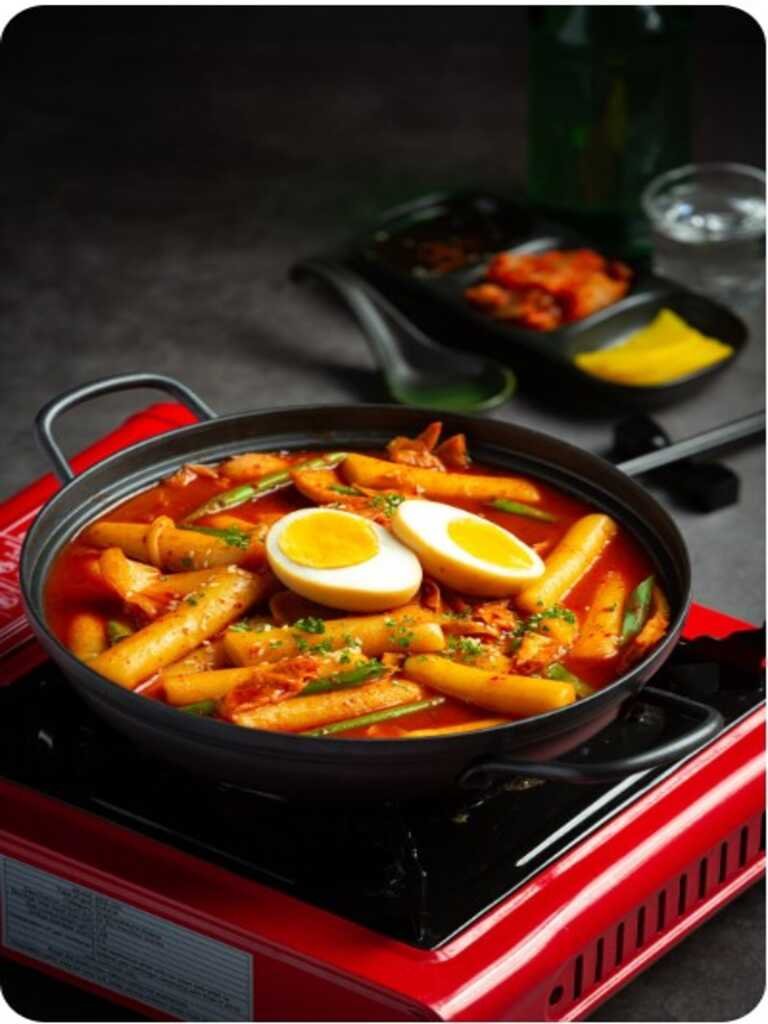
Street Food Fire: South Korea’s Addictive Tteokbokki
Description
Tteokbokki is one of the most famous street foods from South Korea, loved for its chewy rice cakes and bold, spicy-sweet sauce.
Background and Origin
The earliest form of tteokbokki dates back to the Joseon Dynasty (1392–1897). At that time, the dish was called gungjung tteokbokki, meaning “royal court tteokbokki.” Instead of chili paste, it was prepared with soy sauce, beef, vegetables, and sesame oil. This savory version was served in royal kitchens and aristocratic households.
The spicy version known today developed much later, in the 1950s, in the bustling street markets of Seoul. Vendors began using gochujaru to create a richer, spicier sauce that was inexpensive and appealing to everyday people.
This new version quickly spread across the country and became one of Korea’s most recognizable street foods.
Tteokbokki represents the vibrant street food culture of South Korea. You can enjoy it as a quick snack, a late-night comfort dish, or part of a larger street-food feast alongside fried snacks and fish cakes.
With its chewy texture and addictive spicy sauce, tteokbokki perfectly captures the bold flavors and lively spirit of Korean cuisine.
Ingredients
Spices
Stock
Instructions
How to Prepare Tteokbokki
- Chop the fish cakes into small triangular shapes. Chop the green onions into large pieces.
- In a small container, mix the gochujaru chili paste, white sugar, corn syrup, tashiba, and black pepper. Set aside.
- Mix the 3 cups of water in a bowl with the half tablespoon of tashida. Set it aside.
- In a large cooking pan, add the Korean rice cakes, fish cakes, green onions, and the boiled eggs.
- Scoop in the spiced mix and the stock mix. Stir to combine and bring to a boil. Once it boils, lower the heat and let it simmer for 15 minutes. Stir occasionally.
- You can continue to simmer on low heat for at least 30 minutes to get a thick broth.
- Serve hot directly from the cooking pan.
 Video credit: Aaron and Claire–YouTube

Note
Tips for Preparing Tteokbokki
- You can use fish cake soup broth in place of the stock if you have some available.
- You use Korean beef stock or chicken bouillon powder in place of tashida for the stock mix.
- Use fresh or properly soaked rice cakes. Fresh rice cakes have the best chewy texture. If using refrigerated ones, soak them briefly in warm water to soften them before cooking.
- Balance the sauce carefully. The key flavor comes from Gochujaru. Balance its heat with a little sugar and soy sauce to create the classic sweet–spicy taste.
Don’t overcook the rice cakes. Overcooking can make them too soft or sticky. Cook just until they become tender and chewy. - Add fish cakes for authenticity. Sliced fish cakes give the dish extra flavor and are a classic ingredient in street-style tteokbokki.
- Control the thickness of the sauce. The sauce should be thick enough to coat the rice cakes but not too dry. Add a little broth or water if it reduces too much.
Read Also: How to Prepare the Cook Islands’ Famous Ika Mata Dish
Tteokbokki tells a remarkable story of transformation. From a refined royal court dish to one of the most beloved street foods in South Korea, tteokbokki is chewy rice cakes and bold chili sauce that capture the playful, energetic spirit of Korean food culture.
Whether you enjoy it from a street stall or you prepare it at home, tteokbokki continues to bring people together through its irresistible mix of comfort, spice, and tradition.
