

Thareed is a comforting traditional stew from Qatar, known for its rich broth and layers of rigag bread soaked with vegetables and spices. Often described as the Middle Eastern version of bread stew, Thareed is valued for its simplicity, nourishment, and cultural heritage.
You can prepare thareed by simmering vegetables such as potatoes, carrots, tomatoes, zucchini, and onions in a lightly spiced broth flavored with garlic, turmeric, cumin, and other aromatic spices. The sauce is then poured over pieces of traditional flatbread, allowing the bread to absorb the flavorful liquid.
The soaked bread becomes soft and hearty, creating a satisfying dish that combines both soup and bread in one bowl. While many versions include meat such as lamb or chicken, the vegetable version highlights the natural flavors of seasonal produce.
Must Read: Kaukau: The Everyday Staple of Papua New Guinea
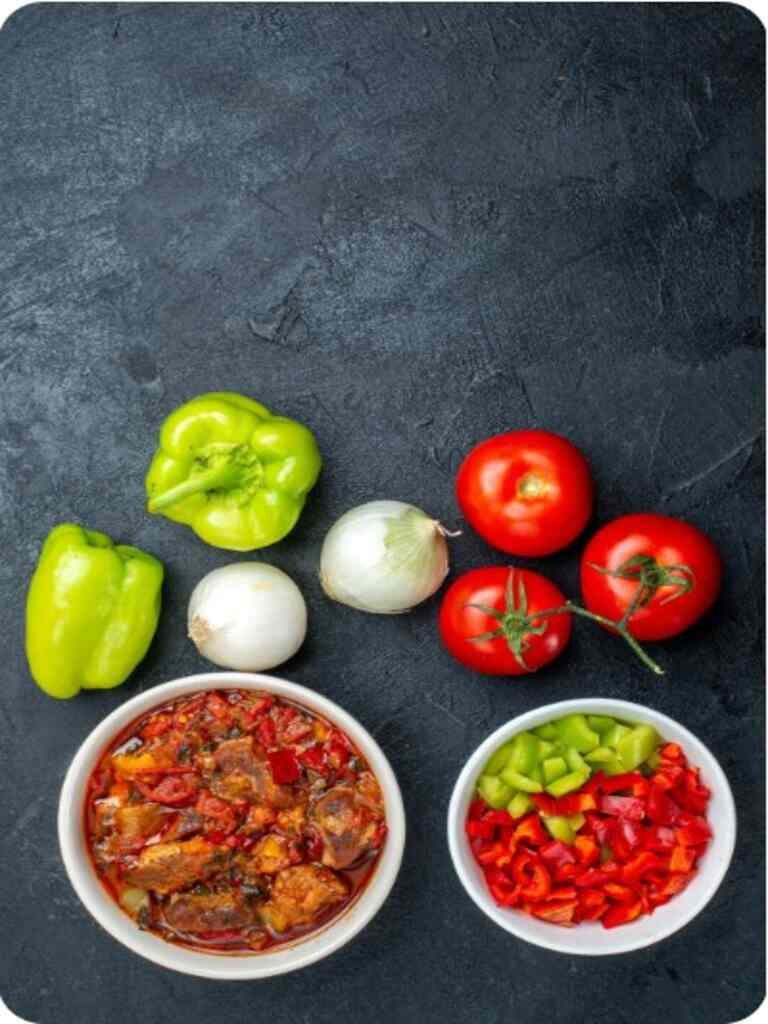
Ancient Desert Comfort: Qatar’s Traditional Thareed
Description
Thareed is a comforting traditional stew from Qatar, known for its rich broth and layers of rigag bread soaked with vegetables and spices.
Background and Origin
Thareed has deep roots in Arabian history and is believed to date back centuries across the Arabian Peninsula. The dish was popular among desert communities because the locals used simple ingredients such as bread, broth, and whatever vegetables or meat were available.
Flatbread served as both a utensil and a base for the stew, making the meal easy to prepare and share. Its nourishing nature and ability to feed many people made it ideal for communal dining.
Thareed also holds cultural importance during Ramadan, when it is often served for iftar, the evening meal that breaks the fast. Its warm, hydrating broth and filling ingredients make it especially suitable after a long day of fasting.
This unique meal remains a cherished dish in Qatari homes and gatherings. Whether prepared with meat or vegetables, it reflects the values of generosity, resourcefulness, and communal eating that define traditional Gulf cuisine.
Simple yet deeply satisfying, vegetable thareed continues to embody the warmth and hospitality of Qatari culinary traditions.
Ingredients
Instructions
How to Prepare Thareed
- Pour the oil into a deep cooking pot on medium heat: Sauté the whole cardamom and the cinnamon stick for 30 seconds.
- Then add the sliced onions and saute until they’re golden brown. Add the garlic, ginger, and green chilies. Continue to stir-fry all the ingredients together for a minute or more.
- Add the tomato paste and stir-fry for a minute, then add the fresh tomatoes.
- Scoop in the fresh coriander leaves, ground turmeric, cardamom, dried lemon, and bezar spice. Cook on low heat for 5 minutes, then add about 4 cups of hot water to the sauce. Stir and cover the pot.
- Once it's boiling, add the chopped potatoes, carrots and baby marrow and cook for 15 minutes.
- Add the ghee and salt to taste. Let it simmer for 2 minutes on low heat.
- Line the rigag bread on a plate. Scoop some of the vegetable thareed on it. Garnish with fresh coriander and serve hot.
- Enjoy!
 Video credit: The Emirates Culinary Guild–YouTube

Note
Tips for Preparing Thareed
- Use sturdy flatbread. Traditional Arabic flatbread works best because it absorbs the broth without dissolving too quickly.
- Cut vegetables evenly. Uniform pieces ensure that all the vegetables cook at the same rate.
- Build flavor with a good base. Start by sautéing onions and garlic in oil before adding spices and vegetables.
- Use warming spices. Turmeric, cumin, coriander, and black pepper give thareed its gentle aromatic flavor.
- Allow the vegetables to cook gently so the broth develops depth and the vegetables remain tender.
- Layer the bread properly. Place the flatbread in the serving dish first, then pour the stew over it so it absorbs the broth evenly.
- Avoid over-soaking the bread. Add the broth just before serving to keep the texture pleasantly soft rather than mushy.
- Garnish simply. Fresh herbs such as parsley or coriander can brighten the dish before serving.
People Also Read: Simple & Soulful: Portugal’s Caldo Verde Soup
Vegetable thareed reflects the essence of traditional Qatari cooking. It’s resourceful, comforting, and shared with loved ones. With its fragrant broth and bread that soaks up every layer of flavor, the dish turns humble ingredients into a nourishing meal that brings people together.
Rooted in centuries of desert hospitality, thareed remains a timeless reminder that the simplest foods often carry the richest traditions.
