

Sinigang is one of the most iconic and comforting dishes of the Philippines. Known for its distinctly sour broth and fresh vegetables, it represents the Filipino love for bold yet balanced flavors.
This unique soup, sinigang, is a sour soup traditionally made with pork, shrimp, fish, or beef. The broth is flavored with a natural souring agent—most commonly tamarind—and simmered with vegetables such as kangkong (water spinach), radish, eggplant, tomatoes, and long green peppers.
The result is a light but deeply flavorful soup that combines sourness, savory depth, and the freshness of seasonal produce. It’s typically served hot with steamed rice.
Must Read: Chipa: Paraguay’s Cheesy Cassava Bread Tradition
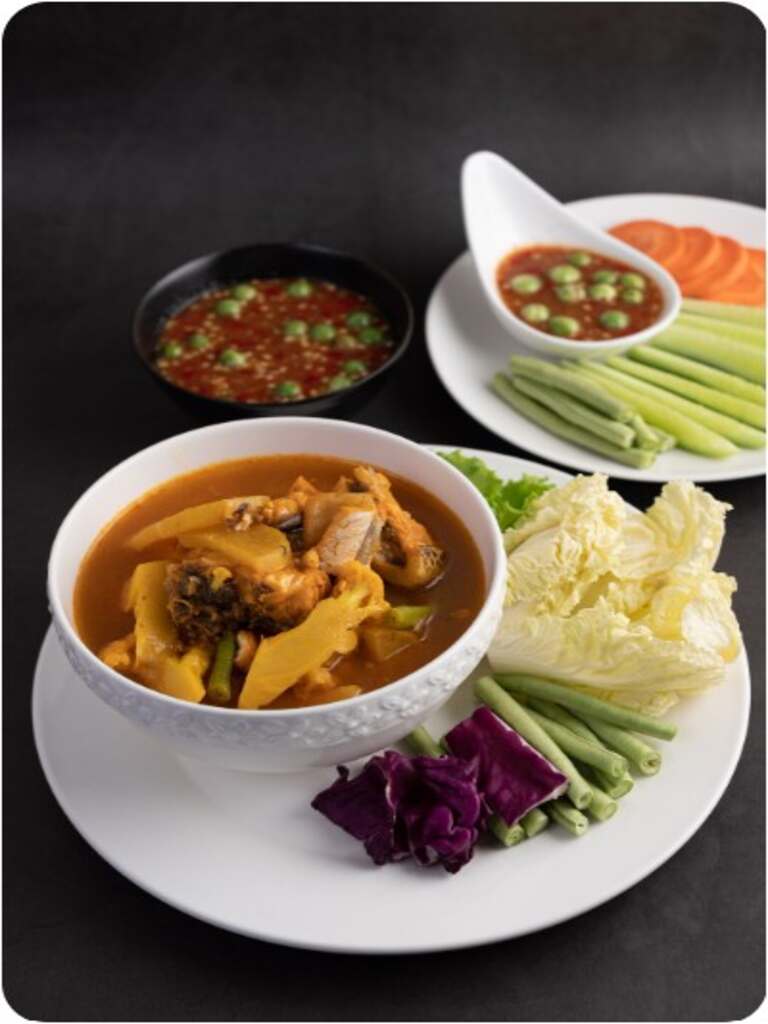
Sinigang: The Comforting Sour Soup Loved Across the Philippines
Description
Sinigang is one of the most iconic and comforting dishes of the Philippines. Known for its distinctly sour broth and fresh vegetables, it represents the Filipino love for bold yet balanced flavors.
Background and Origin
Unlike many Filipino dishes influenced by Spanish or Chinese cuisine, sinigang is considered indigenous to the Philippines. Its origins trace back to pre-colonial times, when native communities used local fruits and leaves—such as tamarind, guava, calamansi, or green mango—to sour broths.
The Philippines’ tropical climate made sour flavors especially practical and desirable. Sour soups helped preserve ingredients and stimulate appetite in humid weather. Over centuries, different regions developed their own variations, depending on available souring agents and proteins.
Though Spanish colonization introduced many new dishes to the country, sinigang remained distinctly Filipino—rooted in native cooking traditions and local agriculture.
Sinigang today is considered one of the Philippines’ national dishes. It’s commonly served in homes, restaurants, and family gatherings. Each household may have its preferred version—more sour, less sour, heavier on vegetables, or rich with pork belly.
The soup’s enduring popularity lies in its simplicity: a nourishing, tangy broth that brings comfort and warmth. More than just a soup, it’s a culinary expression of Filipino identity—fresh, vibrant, and deeply connected to local ingredients and tradition.
Ingredients
Instructions
How to Prepare Sinigang
- Wash the pork, then place it in a large pot. Add a lot of water to it. Blanch it on high heat for 5 minutes. Discard the water, rinse the pork, and add fresh water. Place it on medium heat.
- Chop the onions and tomatoes into 4 parts and add to the pot.
- Cut one taro into cubes and add them to the pot. Chop the other one and set it aside for use later.
- Add some salt, stir and allow the pork to cook halfway, then add the other vegetables.
- Chop the eggplants and tamarind into big chunks. Soak the eggplants in water to prevent them from darkening. Chop off the okra's head and set it aside. Cut the long green beans and spinach into large pieces and set them aside.
- Once the pork simmers for about 30 minutes, add the radish.
- Add the tamarind and strain it out later. This gives sinigang its sour taste. You can put a strainer in the soup and cook the tamarind in it, so it's easier to discard. Once the tamarind is cooked, remove the strainer and transfer the tamarind into a bowl.
- Cover the pot and allow the soup to boil until the radish is cooked.
- Mash the tamarind, add about 1 ladle of pork broth, mix it, and set aside.
- Scoop out some of the taro, mash it, and add it back to the pot. This helps to thicken the soup.
- Add the eggplants, chilies, okra, and beans to the soup. Cover the pot and let it cook for 10 minutes. Strain the mashed tamarind and add the sour liquid to the sinigang. Stir and add the spinach and fish sauce. Cover the pot and simmer for 2 minutes.
- Serve alone or with boiled rice.
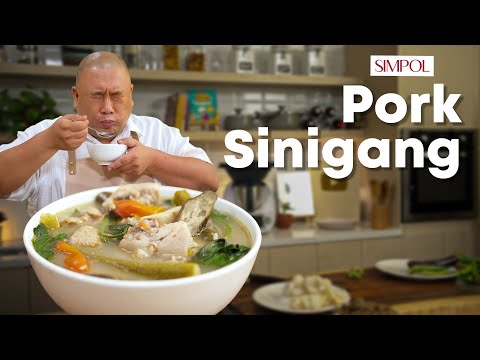
 Video credit: Chef Tatung–YouTube-image-source-Freepik
Note
Tips for Preparing Sinigang
- Allow the vegetables to cook before adding the tamarind. This will preserve the taste of the vegetables.
- Use fresh tamarind when possible. Fresh tamarind gives a brighter, more natural sourness than powdered mixes.
- Balance the sourness gradually. Add the souring agent little by little—you can always add more, but you can’t remove it.
- Choose the right cut of meat. Pork belly adds richness, while ribs give deeper flavor. For seafood versions, add shrimp or fish toward the end to avoid overcooking.
- Layer vegetables by cooking time. Hard vegetables like radish go in first; leafy greens like kangkong go in last.
- Keep the broth clear and light. Sinigang is not meant to be thick—avoid overcrowding the pot.
- Season simply. Fish sauce enhances flavor without overpowering the soup.
- Serve piping hot. Sinigang tastes best steaming, paired with freshly cooked rice.
Must Read: Ají de Gallina: Peru’s Creamy Chicken Stew with Colonial Roots
Sinigang’s bright tang, gentle warmth, and fresh vegetables create a harmony that feels both invigorating and comforting. Rooted in indigenous cooking traditions, sinigang is a dish that celebrates local ingredients and the Filipino love of bold yet balanced flavors.
In every spoonful, it delivers not just nourishment, but a reminder that sometimes the simplest combinations—sour broth, tender meat, and garden vegetables—can carry the deepest sense of home.
