

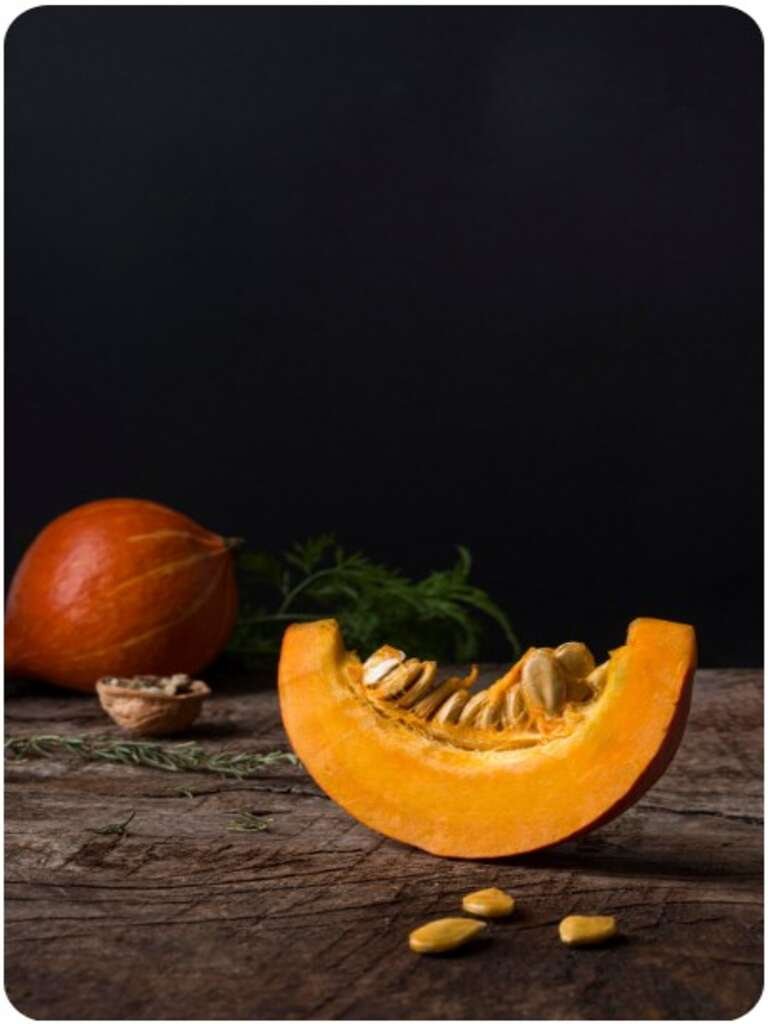
Ibihaza is a traditional dish from Rwanda, known for its simplicity, nourishment, and deep connection to local farming traditions. It’s a humble yet flavorful meal that highlights the natural richness of pumpkin, a crop commonly grown across Rwanda.
Ibihaza is a pumpkin-based dish, typically prepared by cooking pumpkin with ingredients such as beans, peanuts, or leafy greens. The combination creates a soft, hearty texture with a naturally sweet, nutty flavor. In this recipe, we’ll combine pumpkin, beans, and salt.
In many households, Ibihaza is served alongside staple foods like plantains, cassava, or maize, making it a balanced and filling meal.
People Also Read: Street Food Fire: South Korea’s Addictive Tteokbokki
Delicious and Satisfying: Rwanda’s Popular Ibihaza
Description
Ibihaza is a pumpkin-based dish, typically prepared by cooking pumpkin with ingredients such as beans, peanuts, or leafy greens.
Background Origin
Ibihaza reflects Rwanda’s agricultural lifestyle, where meals are traditionally built around crops that are locally available and easy to cultivate. Pumpkin has long been valued for its versatility, nutritional value, and ability to grow in diverse conditions.
The dish is closely tied to rural home cooking, where families prepare meals using fresh ingredients harvested from their own farms or nearby markets. Combining pumpkin with beans or peanuts also reflects a practical approach to nutrition, balancing carbohydrates with protein.
Unlike more elaborate ceremonial dishes, Ibihaza represents everyday sustenance, emphasizing simplicity, resourcefulness, and nourishment.
Today, Ibihaza remains a common dish in Rwandan homes, especially in rural areas. Its preparation varies slightly from family to family, but the essence stays the same: wholesome ingredients cooked gently to bring out their natural flavors.
Warm, comforting, and deeply rooted in tradition, Ibihaza embodies the spirit of Rwandan cuisine: simple food made with care, connection to the land, and a focus on nourishing both body and community.
Ingredients
Instructions
How to Prepare Ibihaza
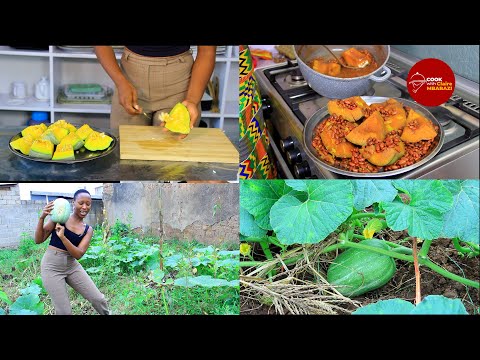
- Soak the beans overnight and cook them the next day until tender. Strain and keep the water.
- Wash and chop the pumpkin into big chunks. Remove the seeds.
- Layer the pumpkins in a big pot with the skin sitting on the pot and the inner parts facing outwards.
- Pour the bean broth on the pumpkins, add the salt, and cook on medium heat until tender.
- Once the pumpkin is 90% cooked, add the cooked beans to the pot.
- Allow it to simmer until the broth thickens.
- Turn off the heat and serve the ibihaza in a big bowl, tray, or small plate if you’re eating alone.
- Enjoy!
 Video Credit: Cook with Claire Mbabazi–YouTube
Note
Tips for Preparing Ibihaza
- You can add some water if your bean broth is not enough to cook the pumpkins.
- Choose ripe, sweet pumpkin. A well-ripened pumpkin gives natural sweetness and a smooth texture.
- Cut into even pieces. This ensures the pumpkin cooks evenly and softens at the same rate.
- Cook gently, not aggressively. Simmering rather than boiling hard helps preserve flavor and texture.
- Balance with protein. Adding beans or ground peanuts gives the dish richness and makes it more filling.
- Season simply. Salt is often enough. Let the natural flavors stand out.
- Avoid excess water. Too much liquid can make the dish watery; aim for a thick, hearty consistency.
- Serve warm and fresh. Ibihaza is best enjoyed freshly cooked for its full flavor and comfort.
Must Read: How to Prepare the Cook Islands’ Famous Ika Mata Dish
Ibihaza reflects the heart of Rwanda’s home cooking. It’s simple, nourishing, and deeply connected to the land. With its combination of pumpkin, legumes, and gentle seasoning, it transforms everyday ingredients into a comforting and balanced meal.
More than just food, Ibihaza represents a tradition of resourcefulness and care, where wholesome cooking brings both sustenance and a sense of community to the table.
