

Dunuka is a traditional dish from Saint Vincent and the Grenadines, known for its rich coconut flavor and unique preparation using banana leaves. Soft, slightly sweet, and deeply satisfying, it is a cherished part of Vincentian culinary heritage.
Dunuka is prepared from grated potatoes mixed with coconut, sugar, and spices such as nutmeg and ginger. The mixture is wrapped in banana leaves and then boiled or steamed until firm.
The banana leaves infuse the dunuka with a subtle earthy aroma, while the coconut adds richness and moisture. The result is a dense yet tender dish with a gentle sweetness and a hint of spice.
Dunuka is often served with saltfish or smoked fish, creating a balanced combination of sweet and savory flavours.
Must Read: From Festivals to Family Tables: Russia’s Traditional Blini
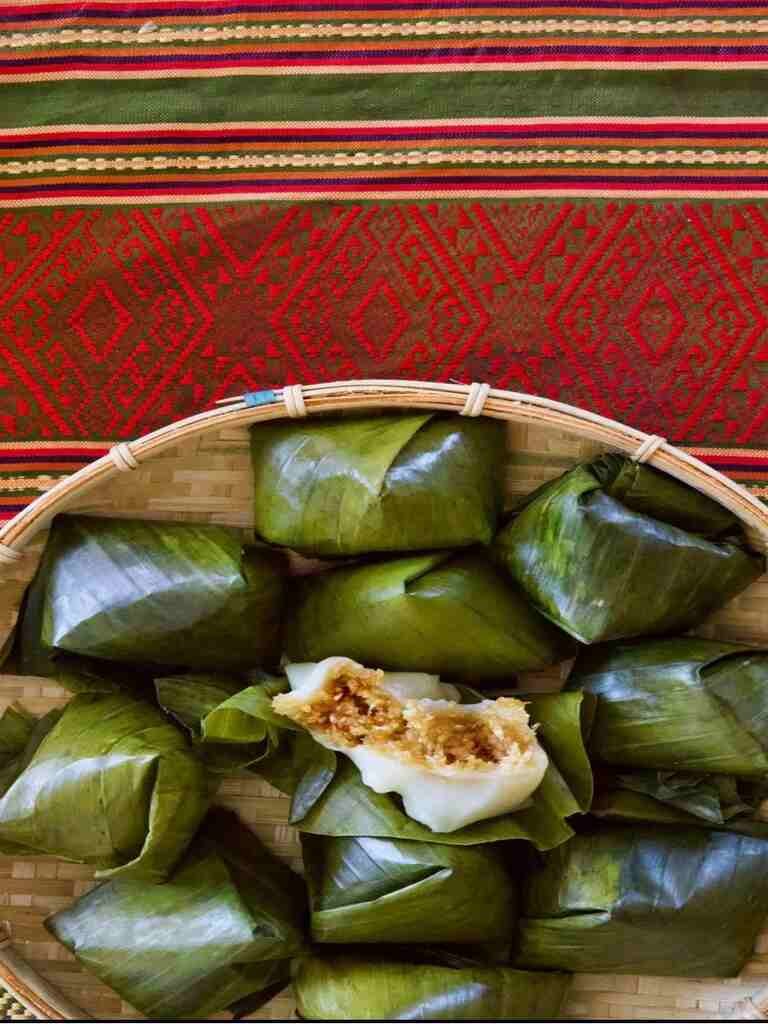
Golden & Sweet: Traditional Vincentian Dunuka
Description
Dunuka is a traditional dish from Saint Vincent and the Grenadines, known for its rich coconut flavor and unique preparation using banana leaves.
Background and Origin
Dunuka has its origins in the African heritage of the Caribbean, brought to the region during the transatlantic slave trade. Enslaved Africans used familiar techniques such as wrapping and steaming food in leaves to recreate dishes from their homeland using available Caribbean ingredients.
Potatoes or plantains, which were widely cultivated, became a key substitute for traditional starches. Coconut, another abundant ingredient, added flavor and nourishment.
The use of banana leaves reflects a broader African and Indigenous cooking tradition, where leaves were used as natural wrappers for steaming and preserving food.
Over generations, Dunuka became a staple in Vincentian homes, especially in rural communities. It’s often prepared for family meals and special occasions, preserving a connection to ancestral cooking methods.
Today, Dunuka stands as a symbol of resilience and cultural continuity. This meal transforms simple, local ingredients into a dish rich with history, flavor, and meaning.
Ingredients
Instructions
How to Prepare Dunuka
- Peel, wash, and finely grate the sweet potatoes.
- Wash the banana leaves, pat them dry, and place them slightly over an open flame on both sides to soften them and make them easier to fold.
- Mix the grated potatoes with the tania and grated coconut. Add the sugar and mix evenly.
- Scoop in the ginger, salt, unsalted butter, cinnamon, vanilla extract, and nutmeg. Mix thoroughly.
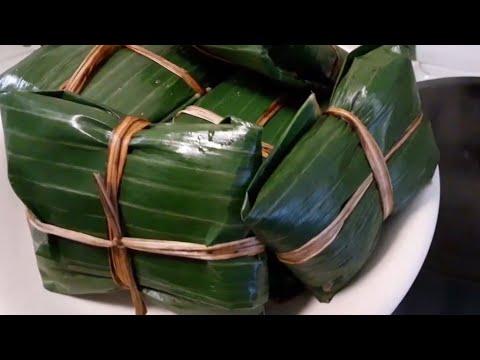
- Use a measuring cup to scoop some of the potato mix into a banana leaf and wrap it nicely. Use a thread or banana step to hold it together. Repeat until you fold all the mix in a banana leaf.
- In a boiling pot of water, place the potato mix wraps.
- Boil for 45 minutes to an hour.
- Once cooked, allow it to cool off a bit.
- Unwrap it and serve.
 Video Credit: Sam’s Gifted Hands–YouTube
Note
Tips for Preparing Dunuku
- Use Batata sweet potatoes for the traditional flavor.
- You can use pumpkin, carrots, a green plantain, flour, or eddo to replace tania as desired.
- Use black pepper or pepper sauce instead of ginger, as preferred.
- You can add more sugar or reduce it.
- Freshly grated coconut adds moisture and richness—too little makes it dry, too much makes it heavy.
- Season lightly but intentionally. Nutmeg, a pinch of salt, and a touch of sugar should enhance, not dominate, the natural flavors.
- Prepare banana leaves properly. Lightly heat or pass them over a flame to make them flexible and easier to wrap without tearing.
Read Also: Island Simplicity: Johnny Cakes of Saint Kitts and Nevis
Dunuka from Saint Vincent and the Grenadines is a quiet preservation of history through food. Wrapped in banana leaves and shaped by tradition, it carries the memory of African cooking techniques adapted to Caribbean life.
With its blend of coconut, potatoes, tania, and subtle spice, dunuka reflects resilience, creativity, and the deep cultural roots that continue to nourish Vincentian identity today.
