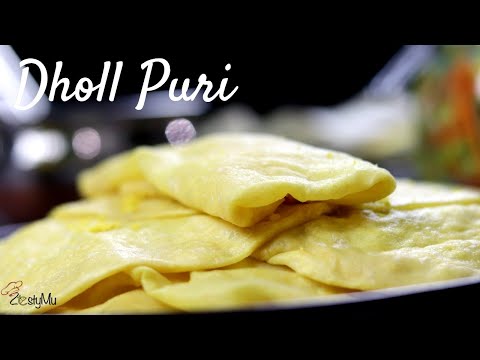
Dholl Puri is one of Mauritius’ most beloved and iconic street foods—a soft, thin flatbread stuffed with seasoned yellow split peas and served warm with curries, chutneys, and spicy pickles. Simple yet deeply flavorful, it’s a national comfort food that reflects the island’s multicultural roots.
Made from wheat flour and filled with crushed, spiced dholl (yellow split peas), the flatbread is rolled out thin and cooked on a hot griddle until soft, warm, and slightly blistered. On the streets of Port Louis or in village food stalls, dholl puri is often served as a pair and wrapped around hearty fillings like bean curry, pickled vegetables, tomato chutney, and the signature Mauritian rougaille.
Read Also: Zucchini Fries with Roasted Garlic Aioli and Sriracha Mayo
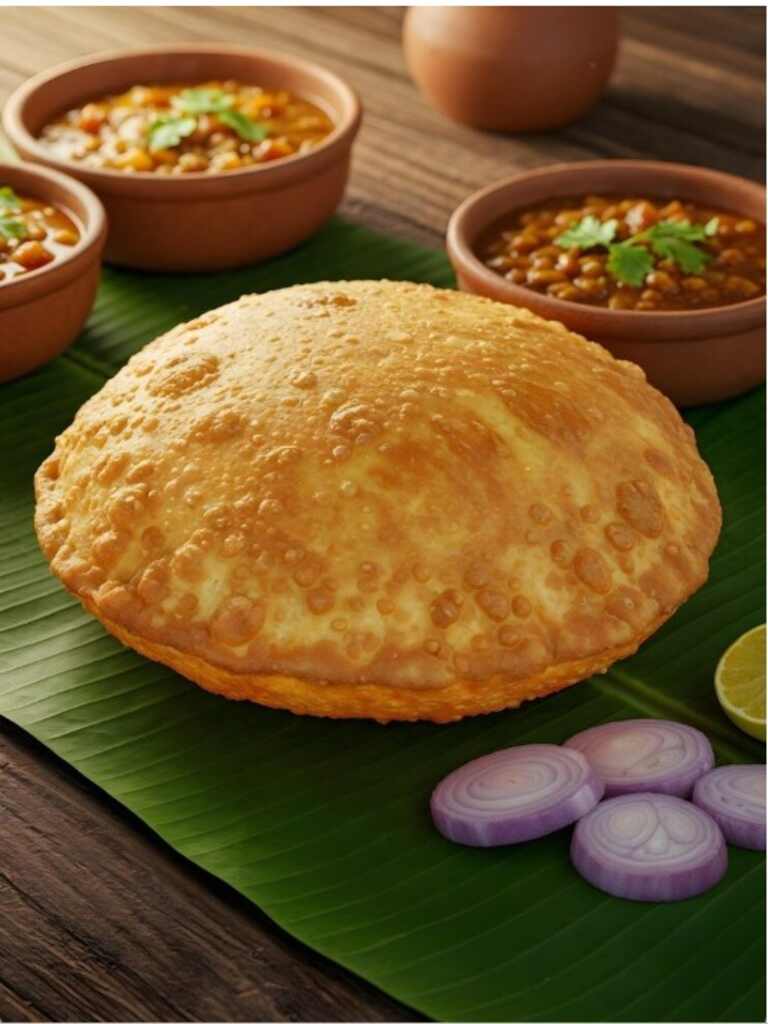
Mauritius’ Dholl Puri—Soft Flatbread Filled with Spiced Split Peas
Description
Dholl Puri is one of Mauritius’ most beloved and iconic street foods—a soft, thin flatbread stuffed with seasoned yellow split peas.
Background and Origin
Mauritius, a small Indian Ocean island, has a food culture shaped by waves of migration—African, European, Chinese, and especially Indian. Dholl puri’s origins trace directly to India, particularly Bihar and Uttar Pradesh, where a similar flatbread called dal puri is common.
How It Arrived in Mauritius
- During the 19th century, Indian indentured laborers were brought to Mauritius to work on sugar plantations.
- They brought with them culinary traditions, including dal-filled flatbreads.
- Over time, Mauritians adapted the dish to local ingredients, cooking methods, and tastes.
How It Became Uniquely Mauritian
While inspired by Indian dal puri, the Mauritian version evolved into something distinct:
- The dough is softer and more elastic.
- The filling is finer and more lightly spiced.
- It’s served with Creole and Afro-Mauritian accompaniments like rougaille and chutneys.
- It became a signature street food rather than a homemade dish.
By the mid-20th century, dholl puri was firmly rooted as a national favorite, affordable, comforting, portable, and found in almost every market or street corner.
Ingredients
For the Filling
For The Dough
Instructions
How to Prepare Dholl Puri
- Wash the gram dal and soak overnight.
- In a big pot, add 1.5 litres of water, salt, the gram dal, and turmeric powder. Bring to a boil on medium heat for 40 minutes without covering the pot. Skim off the foamy layers from the surface as it boils.
- Cook until it's tender but firm. Drain the cooked gram dal and allow it to cool and dry.
- Reserve the gram dal water for the dough; however, don’t use the starchy content at the bottom of the pot.
- Add 1/3 of the gram dal to a food processor and scrape the sides occasionally while processing it. Repeat until you process all the cooked gram dal.
- Process twice or more to get a loose powder-like consistency.
- Sift the dholl in a sifter to remove lumps. Cover and set aside.
- In a big mixing bowl, sift the all-purpose flour and add the salt and oil. Mix evenly.
- Add bits of the dal water to the flour and mix until it forms a firm dough. Rub some oil on it, cover it, and let it rest for 15 to 20 minutes.
- Sprinkle some oil and knead until the flour absorbs the oil. Cover again and let it rest for 30 minutes.
- Add 1 tablespoon of cumin powder to the processed gram dal and mix. Scoop small portions and form tennis ball sizes.
- Form small balls with the dough like the gram dal balls. Using your finger, flatten a flour dough ball and place the gram dal ball inside. Seal the dough around it to form a ball. Dip in the flour and set aside. Repeat until you roll all the balls together.
- Take one ball and roll it out on a floured surface until flattened.
- Heat a flat pan over medium heat and brush the surface with some oil. Place the dholl puri on the hot surface, brush with oil, and turn to the opposite side. This process should take about 30 seconds; then repeat the process until all the balls are cooked.
- Serve with steamed vegetables.
 Video credit: ZestyMu–YouTube