

Calulu de Peixe is one of the most traditional and cherished dishes of São Tomé and Príncipe, known for its rich, earthy flavors and slow-cooked depth. This fish-based stew reflects the islands’ strong connection to both the sea and the land.
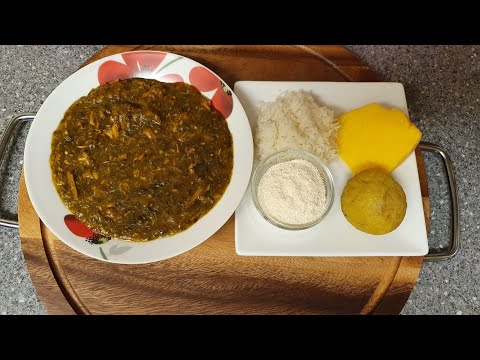
The stew is cooked slowly, allowing the ingredients to soften and blend into a thick, flavorful dish. It’s often served with rice or starchy sides like breadfruit or cassava.
The flavor is deeply savory, slightly tangy, and enriched by the distinctive taste of palm oil.
Must Read: Makayabu: A Beloved Dish from the Heart of Congo
From Forest to Coast: Sao Tome’s Flavorful Calulu de Peixe Explained
Description
Calulu de Peixe is one of the most traditional and cherished dishes of São Tomé and Príncipe, known for its rich, earthy flavors and slow-cooked depth.
Background and Origin
Calulu has roots in the Portuguese colonial period and is combined with strong African culinary traditions. The dish reflects a blending of cultures—Portuguese techniques such as slow stewing with tomatoes and aromatics, alongside African ingredients like palm oil, leafy greens, and okra.
Enslaved Africans and local communities adapted available ingredients to create nourishing, communal meals. Fish, being abundant in the surrounding Atlantic waters, became a central protein in São Toméan cooking.
Over time, Calulu evolved into a signature national dish, with variations depending on the region, available produce, and whether fresh or dried fish is used.
Traditionally, calulu is cooked slowly over several hours, sometimes even left to rest and reheated to deepen its flavor. This long cooking process reflects a style of cooking centered on patience, sharing, and communal preparation.
Today, Calulu de Peixe remains a staple in São Tomé and Príncipe, often prepared for family meals and special occasions. Rich, nourishing, and deeply rooted in history, it stands as a powerful expression of the islands’ cultural fusion and culinary identity.
Ingredients
Instructions
How to Prepare Calulu
- Put the finely chopped kale to boil with a small amount of water.
- Layer all the vegetables and ingredients on the kale in a pot, starting with the breadfruit.
- Chop the okra, tomatoes, and onions and add them to the pot.
- Add the peppercorn peels and pepper sticks.
- Scoop in the palm oil, salt to taste, and 3 cups of water or chicken broth. Cover the pot and boil for 20 minutes.
- Once it's boiling, break the smoked fish into medium sizes and add them to the pot. Even up to this point, don’t stir the sauce yet. Allow it to boil for another 10 minutes.
- Stir the sauce and scoop out the breadfruit.
- Add about 2 liters of hot water to the sauce.
- Stir and allow it to boil for 10 minutes.
- Blend the breadfruit and add it to the sauce. Let it simmer for 5 minutes.
- Add the rest of the spices and lemon juice.
- Scoop in 4 handfuls of cassava flour, little by little, while stirring. This will help thicken the soup.
- Cover the pot and allow the calulu to thicken.
- Serve with boiled rice, cornmeal, or bread.
 Video credit: Mãe5anilta–YouTube
Note
Tips for Preparing Calulu
- Use fresh or lightly smoked fish.
- Cook low and slow. Calulu develops its signature richness through gentle, prolonged cooking.
- Use palm oil sparingly but intentionally. It adds depth and color, but too much can overpower the dish.
- Layer vegetables by texture. Firmer vegetables go in first; softer greens and okra should be added later.
- Let it rest before serving. Calulu often tastes even better after sitting, as the flavors continue to deepen.
- Avoid too much stirring. Stir gently to keep the fish intact and maintain the stew’s texture.
- Serve with a neutral side. Rice or cassava balances the rich, flavorful stew.
Must Read: Golden & Sweet: Traditional Vincentian Dunuka
Calulu de Peixe is a slow, thoughtful expression of life in São Tomé and Príncipe. With its layered flavors and patient cooking process, it reflects a culture that values time, community, and connection to both land and sea.
Each spoonful tells a story of resilience and cultural blending, where you put simple ingredients together to create something deeply meaningful and unforgettable.
