

Buuz are steamed dumplings typically filled with minced mutton or beef, seasoned simply with garlic, onion, salt, and pepper. The dough is made from wheat flour and water, rolled thin, filled, and folded into round or pleated shapes with a small opening at the top. When steamed, the dumplings become tender and juicy, with flavorful broth trapped inside.
Buuz are commonly eaten with the hands and enjoyed hot, often alongside milk tea.
Must Read: Banitsa: The Crispy Pastry That Bulgarians Love
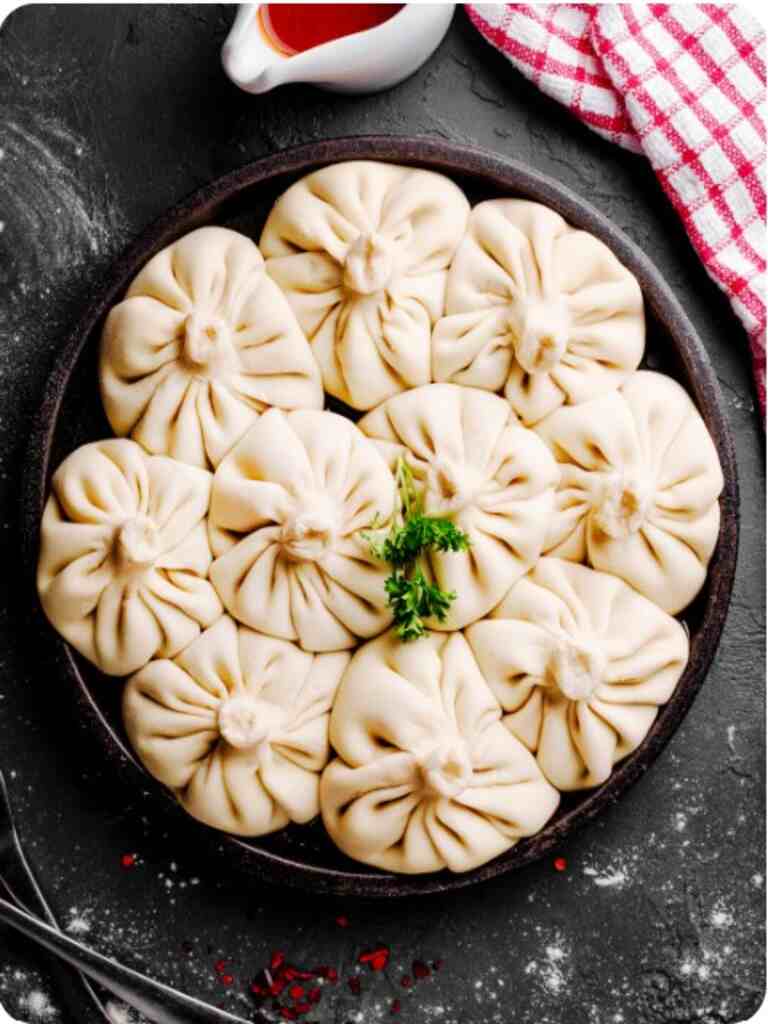
Mongolia’s Buuz: Juicy Steamed Meat Dumplings for Every Celebration
Description
Buuz are steamed dumplings typically filled with minced mutton or beef, seasoned simply with garlic, onion, salt, and pepper.
Background and Origin
Mongolia’s Buuz are traditional steamed dumplings that hold deep cultural and historical significance in Mongolian cuisine.
They’re hearty, warming, flavorful, and reflect the country’s nomadic heritage and reliance on simple, nourishing foods suited for harsh climates.
Buuz trace their roots back to ancient Mongolian nomadic life, where meals needed to be filling, portable, and made from readily available ingredients—mainly meat and flour. The dish shows influence from Chinese dumplings, likely introduced through centuries of trade and interaction along the Silk Road.
Over time, Mongolians adapted the concept to suit their own tastes and lifestyle, favoring steaming over boiling or frying and using meat-heavy fillings.
Buuz are most famously associated with Tsagaan Sar, the Mongolian Lunar New Year. During this celebration, families prepare hundreds, sometimes thousands, of buuz in advance, symbolizing prosperity, hospitality, and abundance. The communal preparation and sharing of buuz reinforce family bonds and cultural continuity.
Ingredients
Dough
For the filling
Instructions
How to Prepare Mongolia’s Buuz
- In a mixing bowl, sprinkle the salt and pepper on the minced meat and mix. Add the onions and garlic and mix. Set aside.
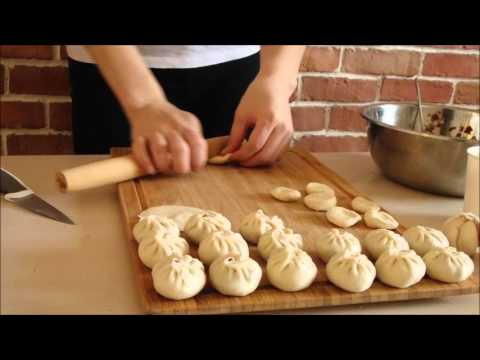
- Add a little water to the flour and mix it well. Add salt and continue mixing until a dough forms. Cut into small pieces of five or more. Roll these portions into candle sizes and cut them into 2cm pieces.
- Flatten the little dough in your palms. Using a rolling pin, stretch the dough into a 7cm diameter. Place a teaspoon of meat filling and pinch the edges to seal them.
- Set them into a steamer for 15 minutes. After, take off the lid and turn off the steam.
- Serve hot with milk tea.
 Video credit: Voyage en Mongolie- YouTube
Note
Tips For Making Buuz
- Use fatty meat, as traditional buuz rely on mutton or beef with a good fat ratio. Fat is essential for juiciness and flavor, lean meat will make the dumplings dry.
- Keep it traditional with salt, garlic, onion, and a little black pepper. Avoid strong spices that overpower the natural meat flavor.
- Knead the dough well. A smooth, elastic dough prevents tearing and holds the filling securely while steaming.
- Ensure the pleats are tight, leaving only a small opening at the top. This keeps the juices inside while cooking.
- Leave space between dumplings so steam can circulate evenly, preventing sticking and uneven cooking.
Must Read: Mauritius’ Dholl Puri—Soft Flatbread Filled with Spiced Split Peas
Today, buuz remains a beloved everyday food as well as a festive staple, served in homes, restaurants, and street stalls across Mongolia. Their simplicity, warmth, and rich flavor make them a true representation of Mongolian culinary tradition, rooted in history, shaped by the land, and cherished across generations.
