

New Zealand pavlova is one of the country’s most iconic desserts, celebrated for its crisp outer shell, soft marshmallow-like center, and light, airy sweetness.
It’s a meringue-based dessert made from egg whites, sugar, and a small amount of vinegar or cornstarch, which helps create its signature contrast between a crunchy exterior and a soft interior. It’s typically topped with whipped cream and fresh fruits such as kiwifruit, strawberries, and passionfruit.
Must Read: Banitsa: The Crispy Pastry That Bulgarians Love
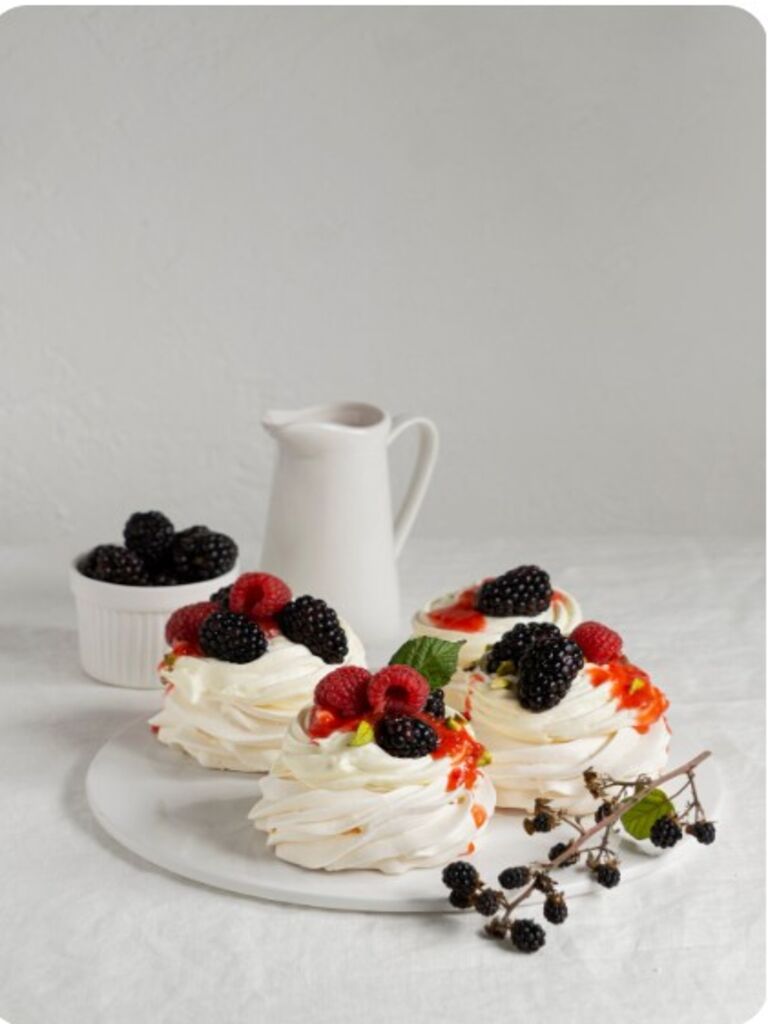
Pavlova Perfection: New Zealand’s Iconic Meringue Dessert
Description
New Zealand Pavlova is one of the country’s most iconic desserts, celebrated for its crisp outer shell, soft marshmallow-like center, and light, airy sweetness.
Background and Origin
Pavlova’s origins date back to the 1920s, during the tour of Russian ballerina Anna Pavlova to Australia and New Zealand. The dessert was created in her honor, inspired by the lightness and grace of her dancing.
While both Australia and New Zealand claim to have invented pavlova, historical research suggests that New Zealand has some of the earliest recorded recipes, with versions appearing in New Zealand cookbooks as early as the late 1920s. Over time, the dessert evolved into the pavlova known today.
In New Zealand, pavlova is more than a dessert; it’s a national symbol of hospitality and celebration. It represents the country’s love for fresh produce, simple elegance, and shared moments around the table.
Light yet indulgent, pavlova is especially popular during summer and festive occasions, including Christmas and national celebrations.
Ingredients
Meringue
Frosting
Topping
Instructions
How to Make Pavlova
- Beat the white eggs for a minute or more until you have a fluffy texture. Gradually add the sugar to the mixture and beat with the white egg. This should take about 10 minutes of mixing until it’s smooth and even.
- Take the mixture off the plug and add the lemon juice and vanilla extract. Mix with a ladder. Then add the cornstarch and continue to mix.
- Transfer the meringue into a pastry bag with a large open star tip, such as the Milton 1M.
- Pipe rose-design portions onto a parchment-lined baking sheet.
- Use the back of a spoon to make a shallow hole in the middle for the fruits to sit.
- Put them in the oven for 1¼ hours at 225 Fahrenheit degrees. Then turn the oven off and leave it inside for 30 minutes.
- For the frosting, combine 1 and a half cups of cold heavy whipping cream and 2 tablespoons of white sugar. Beat on high speed for about 2 minutes, or until the mixture is fluffy. Transfer the mixture to a pastry bag and pipe it onto the desserts.
- Garnish with fresh fruits such as strawberries and blackberries.
 Video credit: Natasha’s Kitchen–YouTube

Note
Tips for Making Pavlovas
- You can use passion fruit, banana, kiwi, mango, and crushed pineapple as toppings.
- Use room-temperature egg whites. They whip faster and hold more air, giving the pavlova better volume.
- Add sugar gradually. Add sugar one spoon at a time while whipping to ensure it dissolves fully and creates a glossy meringue.
- Whip to stiff, shiny peaks. The meringue should hold its shape without collapsing—overwhipping can cause cracking.
- Use cornstarch and vinegar. These ingredients create the soft, marshmallow-like center that defines pavlova.
- Bake low and slow. A low oven temperature prevents browning and keeps the pavlova pale and crisp.
- Add toppings just before serving. Whipped cream and fruit should be added last to keep the shell crisp.
- Pavlova is meant to look rustic—small cracks are normal and part of its charm.
Must Read: Apricot Dumplings: A Sweet Taste of Austrian Tradition
Often topped with whipped cream and fresh fruit, pavlova is a centerpiece at celebrations and family gatherings across New Zealand. Whether homemade or served at special events, its delicate texture and fresh toppings continue to make it a timeless favorite that connects you through tradition and taste.
Happy dessert!
