

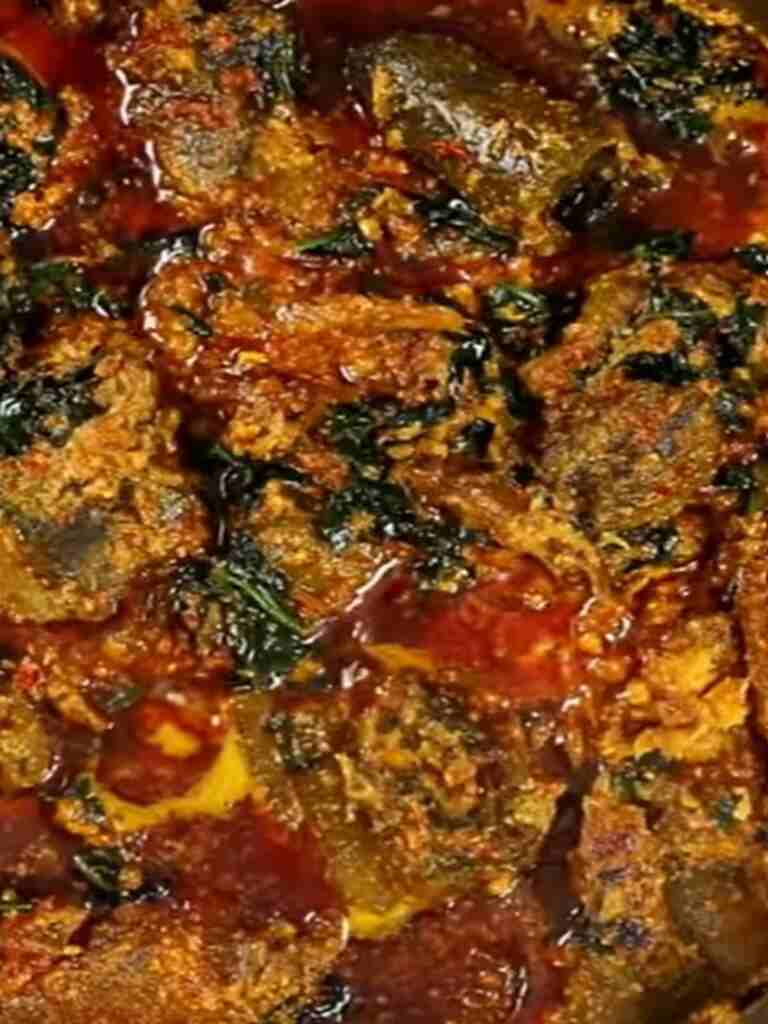
Egusi Soup is one of Nigeria’s most iconic and widely loved dishes, known for its rich texture, deep flavor, and cultural importance. Served with various swallows such as pounded yams, fufu, or eba, egusi soup is a cornerstone of Nigerian home cooking.
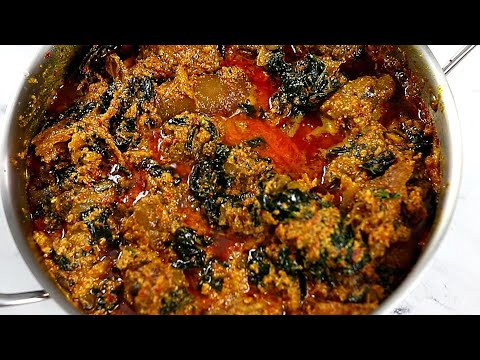
Et’s made from ground egusi seeds, which thicken the soup and give it a creamy, nutty richness. The soup typically includes palm oil, leafy vegetables (such as bitterleaf or spinach), onions, peppers, and a mix of meat, fish, and stockfish. Seasonings like fermented locust beans add depth and flavor.
The result is a hearty, flavorful stew with a slightly grainy yet luxurious texture.
Must Read: Makayabu: A Beloved Dish from the Heart of Congo
Egusi Soup: Nigerian Iconic Dish
Description
Egusi Soup is one of Nigeria’s most iconic and widely loved dishes, known for its rich texture, deep flavor, and cultural importance.
Background and Origin
Egusi soup has its origins in West African agricultural traditions, where melon seeds were cultivated and used long before colonial times. These seeds were valued not only for their taste but also for their high protein and oil content.
Different ethnic groups in Nigeria—including the Yoruba, Igbo, and Edo—developed their own variations of egusi soup, each reflecting local ingredients and preferences. This diversity has made egusi a unifying dish across regions, enjoyed in homes, ceremonies, and celebrations.
Over generations, egusi soup became a symbol of abundance and hospitality. It’s often prepared for special occasions, family gatherings, and festive events, yet remains a regular feature in everyday meals.
Today, Nigerian egusi soup is recognized globally as a signature African dish, representing Nigeria’s rich culinary heritage—bold, nourishing, and deeply communal.
Ingredients
Instructions
How to Prepare Egusi Soup
- Wash the assorted meats and put them in a cooking pot. Blend 2 onions and add them. Add the ginger and garlic paste if you’re adding them. Add the scotch bonnet peppers. Add 1 stock cube and salt, stir, and cover the pot.
- Simmer for 20 minutes on medium heat. Then add 2 cups of water and continue to simmer for another 40 minutes.
- Then grill the meat in the oven for 20 minutes at 160 degrees Celsius. Once read, set aside.
- Blend the red bell peppers, chili peppers, paprika peppers, and 2 onions.
- Pour hot water on the smoked fish and set aside to soften.
- Prepare the green leaves of your choice by separating the stems from the leaves. Pour some boiling water on them and leave them for 2 minutes. This softens it and kills any bacteria. Drain the water and chop the leaves into small pieces.
- Blend the egusi into a fine powder, then add 2 tablespoons of crayfish powder, some water, and mix into a thick paste. Set aside.
- In a saucepan, add the palm oil and sauté the chopped onions for 2 minutes. Add the locust beans and stir-fry for 2 minutes, then add the rest of the crayfish powder.
- Add the pepper mixture, 2 stock cubes, and salt. Stir evenly. Add the stock fish and stir.
- Cover the pot halfway and simmer the sauce for 20 minutes. Check and stir it occasionally.
- Then, add the assorted meats and stir. Let it cook for about 5 minutes, then add the smoked fish. Allow the sauce to simmer for 2 minutes, then add the meat broth.
- Let it simmer for 2 minutes, then add the egusi to the pot. Stir gently and allow it to simmer for 15 minutes on low heat. Then stir the egusi in the soup evenly. You can break up the big lumps as desired.
- Add the green leaves at this point and stir. Add more crayfish powder as desired. Let it simmer for 2 minutes and turn off the heat.
- Let the soup rest for 10 minutes, then serve with fufu or pounded yams.
 Video credit: Sisi Jemimah’s Recipes–YouTube
Note
Tips for Preparing Egusi Soup
- You can add blended onions to the egusi paste before adding it to the soup. This process makes it even more flavorful.
- Grind egusi finely. A smooth grind helps the soup thicken evenly and prevents a gritty texture.
- Toast egusi lightly. Light toasting enhances the nutty flavor, but don’t brown it too much.
- Use palm oil generously but carefully. Palm oil gives egusi its signature color and richness—heat it gently to avoid burning.
- Cook egusi slowly. Allow the egusi to simmer so it can properly thicken and release its oils.
- Layer your proteins. Combine meat, stockfish, and dried fish for complexity and traditional flavor.
- Add vegetables last. Leafy greens should go in near the end to keep their color and nutrients.
- Let it rest before serving. A short rest helps the flavors come together beautifully.
Must Read: Kanda: The Delicious Peanut-Sauce Meatballs of Central Africa
Egusi soup is a true reflection of Nigerian cuisine—rich, comforting, and deeply rooted in tradition. With its bold flavors, nourishing ingredients, and communal spirit, it remains a timeless dish that brings families and cultures together around the table.
