

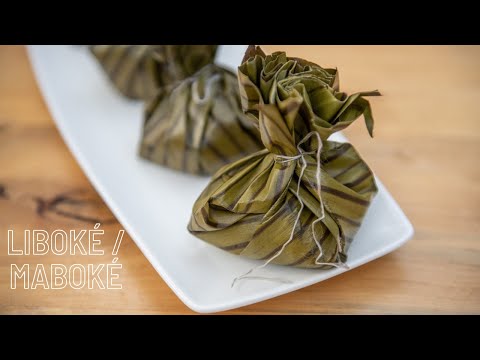
Liboke is a traditional meal that can be prepared by wrapping marinated fish in green leaves and grilling to perfection. The green leaves impart an earthy flavor, including the aromatic spices, during the cooking process.
Liboke comes from the Lingala, one of the local languages of the Democratic Republic of Congo, meaning wrapping up something.
Read Also: Kanda: The Delicious Peanut-Sauce Meatballs of Central Africa

Liboke: How to Make this Classic DR Congolese Meal
Description
Liboke is a traditional meal that can be prepared by wrapping marinated fish in green leaves and grilling it to perfection. The green leaves impart an earthy flavor, including the aromatic spices, during the cooking process.
Background and Origin
Liboke is a dish deeply rooted in Central African culinary traditions. This unique cooking method—steaming in natural wrappers over open flames—dates back centuries and reflects a sustainable, resourceful way of preparing food before the arrival of modern cookware.
In traditional Congolese villages, green leaves or banana leaves were abundant, making them a natural and biodegradable tool for cooking. The technique is not only practical but also infuses the food with a subtle, leafy aroma.
Ingredients
Instructions
How to Prepare Liboke
- Blend the garlic, half of the spring onion, two onions, and ginger. Chop the other onion and the spring onion and set aside.
- Wash the fish, cut them into two or three pieces, and put them into a clean bowl. Marinate the fish with the blended ingredients. Add the fish seasoning, salt to taste, oil, and some chili pepper. Mix to marinate evenly.
- Add the lemon juice to the marinated fish.
- Scoop in the chopped spring onions and onion. Add a little water, stir and allow the fish to marinate for 2 hours.
- Wrap them in green leaves, using two leaves so the liquid doesn’t drip. Wrap two fish at a time until you wrap all of them in the green leaves. Secure the knot with a string. These green leaves give an authentic flavor to the fish. Rewrap in baking paper and aluminum foil to secure it.
- Put the wraps on a hot grill and cook for 35 minutes.
- Serve with boiled rice or yams.
 Video Credit: Cook With Nahima–YouTube
Note
Tips for Preparing Liboke
- You can use banana leaves if you don’t have the authentic waakye green leaves.
- Always marinate the fish for two hours or overnight before grilling
- If you don’t have a grill, you can steam it.
- You can prepare a similar meal with meat, chicken, or shrimp.
Read Also: The Secret Ingredients Behind Cambodia’s Iconic Fish Amok
Liboke represents Congolese culinary identity, especially in urban centers like Kinshasa and Lubumbashi, where it remains a popular dish in homes and restaurants. It’s also found in neighboring Central African countries with similar cooking traditions.
In a culture that values flavor, community, and tradition, liboke remains a cherished reminder of ancestral techniques and the rich biodiversity of the Democratic Republic of Congo.
