

Zeama is one of Moldova’s most cherished traditional dishes. It’s a light yet deeply comforting chicken soup known for its distinctive sour taste. The tangy soup is typically made with chicken, homemade noodles, vegetables such as onions and carrots, and flavored with herbs like parsley or leustea.
What sets Zeamă apart from ordinary chicken soup is its gentle tang, traditionally achieved using fermented wheat bran liquid or sometimes sour grape juice or lemon.
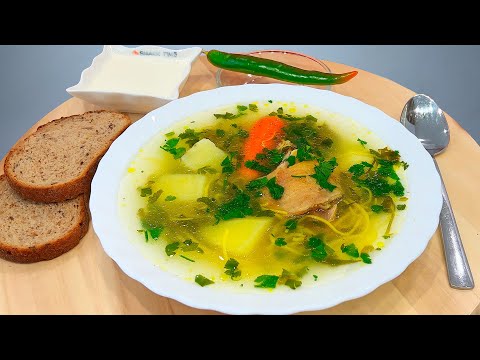
Served hot and often accompanied by mămăligă (cornmeal porridge) or bread, sour cream and chili peppers, Zeamă is a staple in Moldovan households. Moldovians favors this soup for its reputation as a restorative meal, commonly served to comfort the sick, welcome guests, or revive someone after long celebrations.
Read Also: Chicken Kelaguen: Micronesia’s Citrus-Marinated Grilled Chicken
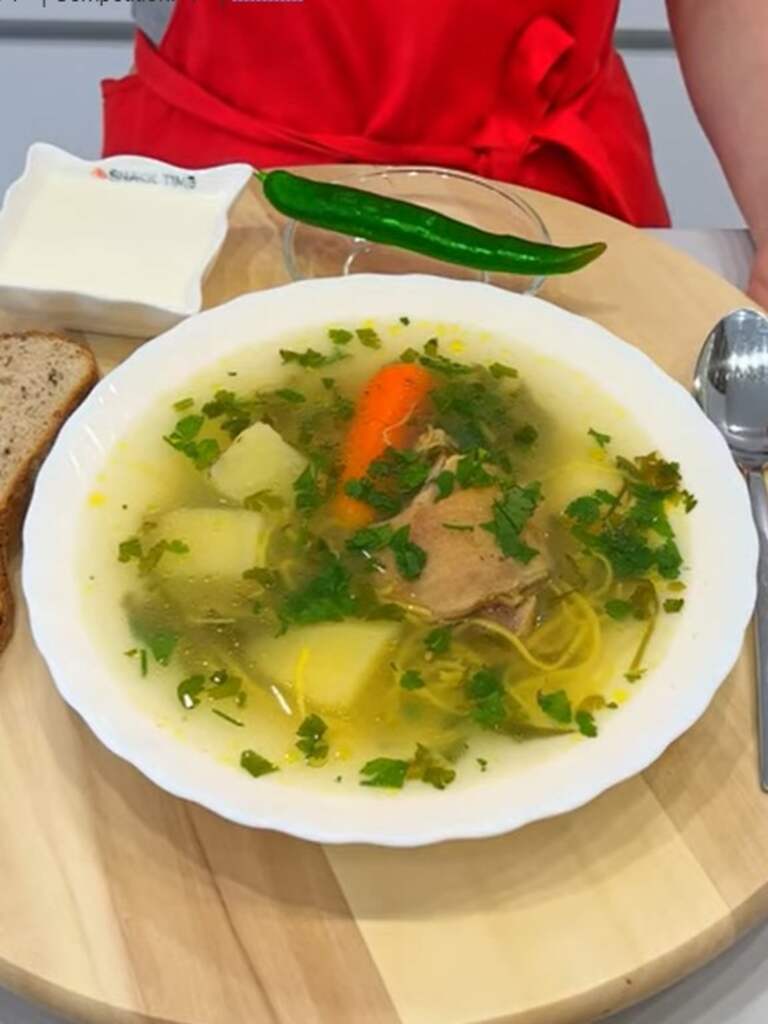
Zeamă: A Hearty Chicken Noodle Soup for Winter
Description
Zeamă is one of Moldova’s most cherished traditional dishes. It’s a light yet deeply comforting chicken soup known for its distinctive sour taste.
Background and Origin
The origins of Zeamă are closely tied to Moldova’s agrarian past. For centuries, Moldovan cuisine developed around what rural families could grow, ferment, or preserve. Chickens were commonly raised at home, while fermented products like borș were everyday pantry items used to add flavor and nutrition.
Zeamă evolved as a practical and nourishing dish—simple to prepare, economical, and adaptable to the seasons. The use of fermentation reflects ancient food-preservation techniques common across Eastern Europe, where souring soups not only enhanced flavor but also improved digestion and shelf life.
Over time, Zeamă became more than a household meal. It grew into a symbol of Moldovan hospitality and tradition.
Ingredients
Instructions
How to Prepare Zeamă
- Wash the chicken and place it in a big pot. Add enough water to cover the pot. Put it to a boil and discard the water once it starts to boil. Add enough water again. You can add hot water instead of warm water.
- Once it begins to boil again, scoop out the foamy residue on top of the broth.
- Add salt, the bay leaf, and ground pepper. Cover the pot halfway and cook on medium heat for 15 minutes. Then add the bell pepper, whole onion, and the carrot. Cover the pot halfway and boil for 25 minutes on medium heat.
- To prepare a homemade noodle, add two tablespoons of water to the egg yolks. Sprinkle in some salt and mix until evenly combined. Add two tablespoons of flour to the egg yolks and mix. Add another tablespoon of flour and mix. Add flour gradually until you have a medium-solid dough. In total, you’ll need about 3 ½ tablespoons of flour for 2 egg yolks.
- Once the dough mixture is solid, transfer it to a clean surface and knead. Sprinkle some flour as you roll out the dough. Once you roll out a thin circle, allow it to rest for 10 minutes without covering it.
- Check on the chicken and add potatoes and greens.
- Once the dough is dry, chop it into tiny noodle sizes and let it dry out more. Add them to the pot. Let it boil for 5 minutes. Then add the lemon juice. Add more greens at this point and cover the pot.
- Turn off the heat and allow the soup to rest for 30 minutes.
- Serve as desired with hot pepper, sour cream, and bread.
 Video Credit: Gustos Rapid–YouTube
Note
Tips for Preparing Zeama
- Use chicken with its bone. Bone-in pieces add depth and richness to the broth. Traditional Zeamă relies on natural flavor rather than heavy seasoning.
- Use homemade noodles. Fresh, thin egg noodles give Zeamă its signature texture and authenticity.
- Remove the foam while simmering the chicken to achieve a clear, clean-tasting soup.
- Use fewer vegetables. Onions and carrots are enough. Too many vegetables can distract from the soup’s delicate flavor.
Read Also: How to Prepare the Cook Islands’ Famous Ika Mata Dish
Despite modern variations, the essence of Zeamă remains unchanged: a warm, sour-tinged soup that reflects the country’s respect for simplicity, balance, and homegrown ingredients.
Today, Zeamă stands as a culinary reminder of Moldova’s heritage—humble, nourishing, and deeply connected to the rhythms of rural life and family-centered cooking.
