

Mozambican Piri-Piri Chicken is one of the country’s most famous and flavorful dishes, known for its fiery heat, smoky aroma, and bold citrus undertones. It reflects Mozambique’s coastal geography and centuries of cultural exchange that shaped its cuisine.
This dish features chicken marinated in piri-piri sauce, a vibrant blend made from African bird’s eye chilies, garlic, lemon or vinegar, paprika, and oil. The marinated chicken is traditionally grilled over open flames, giving it a smoky, charred exterior while keeping the meat juicy inside. It is often served with rice, fries, salad, or a local cassava-leaf dish.
The heat level can range from pleasantly spicy to intensely fiery, depending on the amount of chili you use.
Must Read: Ćevapi: The Heart of Bosnia and Herzegovina Barbecue
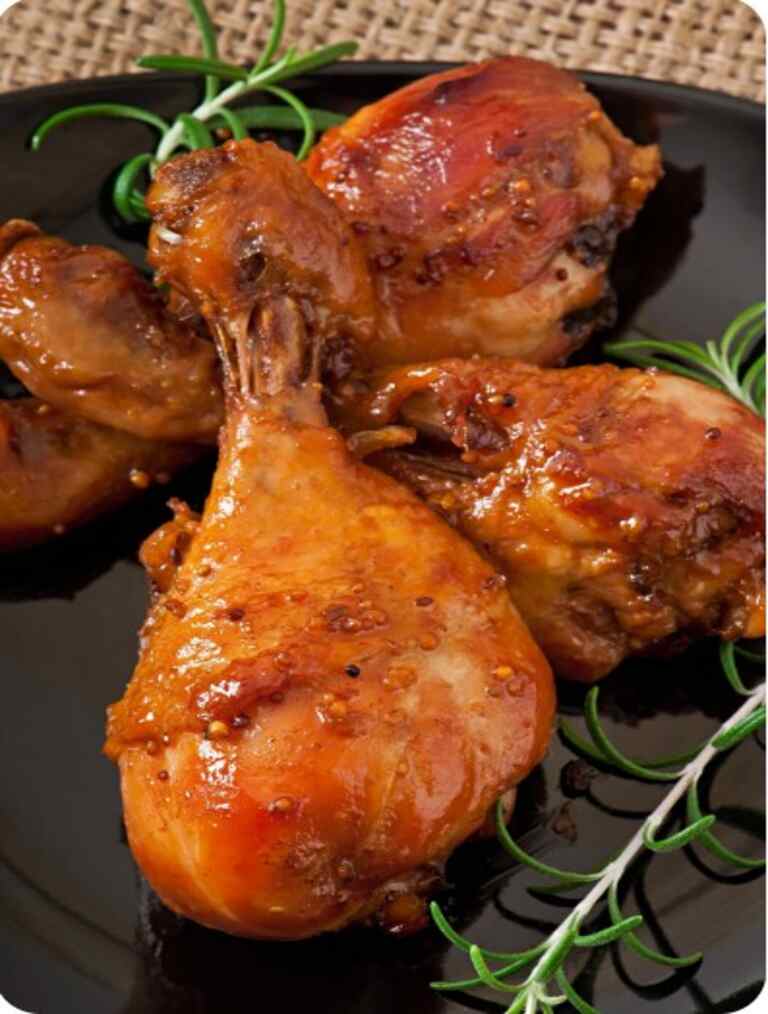
Spicy Mozambican Piri-Piri Chicken in Traditional Sauce
Description
Mozambican Piri-Piri Chicken is one of the country’s most famous and flavorful dishes, known for its fiery heat, smoky aroma, and bold citrus undertones.
Background and Origin
The story of Piri-Piri Chicken is deeply tied to Portuguese colonial history and African culinary traditions. Chilies were introduced to Mozambique in the 15th and 16th centuries by Portuguese traders, who brought them from the Americas. These chilies thrived in the hot African climate and were quickly adopted by local communities.
Mozambicans blended the chilies with indigenous ingredients and cooking techniques, creating the iconic piri-piri sauce. Grilling chicken over charcoal, already common in local cooking, became the perfect method to showcase the sauce’s bold flavors.
Over time, Piri-Piri Chicken became a symbol of Mozambique’s fusion cuisine, combining African heat with Portuguese influences such as citrus marinades and vinegar.
Ingredients
Instructions
How to Prepare Piri-piri Chicken
- Arrange the wood in the barbecue and set it on fire.
- Chop the onions, red bell pepper, and the hot chilies. Crush the garlic and set aside. Place all these in the blender, add oregano, dried paprika, brown sugar and bay leaves. Grate the skin of the lemon into the ingredients and juice. Add the canola oil and blend.
- Transfer the blended mixture into a bowl.
- Taking the whole chicken, slice holes so the blended juice can marinate it evenly. Sprinkle black pepper and salt around and in the chicken.
- Brush the blended mixture all over and into the chicken.
- Place the spiced chicken on the barbecue and grill on both sides interchangeably until it's cooked. As the chicken is grilling, baste both sides with the blended mixture.
- Serve with fried potatoes and lemon slices.
 Video credit: Volfberg Artisans–YouTube

Note
Tips for Preparing Piri-Piri Chicken
- Use African bird’s eye chilies if possible. These chilies deliver the classic heat and flavor. If unavailable, substitute with fresh Thai chilies, but use sparingly.
- Marinate overnight for the best flavor. Longer marination allows the chili, garlic, and citrus to penetrate the meat, resulting in deeper, more balanced heat.
- Don’t skip garlic. Garlic is a key flavor component and helps round out the sharpness of the chilies.
- Grill over charcoal when possible. Open-flame grilling adds smoky depth that defines authentic Piri-Piri Chicken. If using an oven, finish under the broiler.
- Baste while cooking. Brushing the chicken with extra piri-piri sauce during grilling builds layers of flavor and keeps the meat moist.
- Let the chicken rest before serving
- A short rest allows the juices to redistribute, keeping the meat tender.
Read Also: The Secret Ingredients Behind Cambodia’s Iconic Fish Amok
Today, Mozambican Piri-Piri Chicken is enjoyed both locally and around the world. While international versions exist, the authentic Mozambican preparation remains rooted in fresh chilies, open-fire grilling, and simple, bold seasoning.
It stands as a powerful example of how Mozambique’s history, trade routes, and culinary creativity came together to create a dish that is unmistakably its own.
