

Chipa is a cheese bread made primarily from cassava (manioc) starch, cheese, eggs, milk, and fat such as butter or lard. Unlike wheat-based breads, chipa is naturally gluten-free and has a dense yet elastic bite with a lightly crisp exterior.
It’s traditionally shaped into rings, braids, or small rolls and baked until golden.
This yummy bread is often enjoyed warm and fresh from the oven. It’s a staple snack eaten at breakfast, on the go, or during family gatherings.
People Also Read: Apricot Dumplings: A Sweet Taste of Austrian Tradition
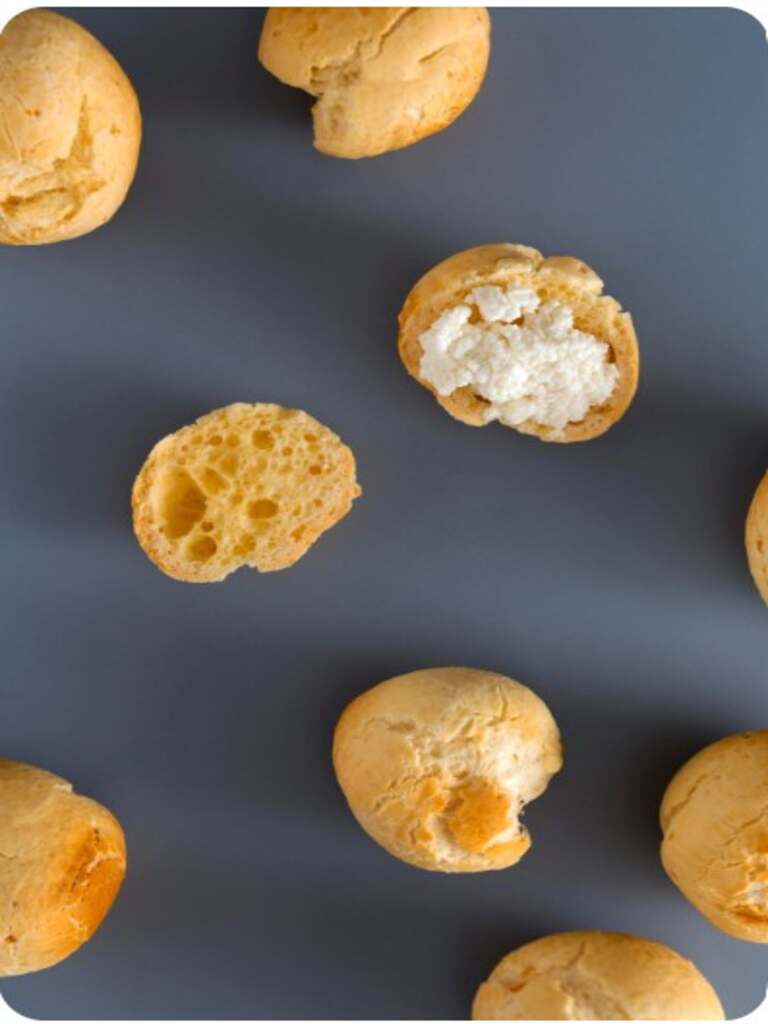
Chipa: Paraguay’s Cheesy Cassava Bread Tradition
Description
Chipa is a cheese bread made primarily from cassava (manioc) starch, cheese, eggs, milk, and fat such as butter or lard. Unlike wheat-based breads, chipa is naturally gluten-free.
Background and Origin
The origin of chipa lies in the Guaraní Indigenous culture, which relied heavily on cassava as a staple crop long before European contact. Cassava starch formed the base of many traditional foods due to its availability and adaptability.
With the arrival of Spanish colonizers in the 16th century, European ingredients such as cheese, milk, and eggs were introduced. Over time, these were blended with Indigenous cassava-based cooking, giving rise to chipa as it is known today—a perfect example of mestizo cuisine that combines native and colonial influences.
Chipa became especially important in rural communities, where it was easy to prepare and could be baked in clay ovens. It also gained strong ties to Holy Week (Semana Santa), when many Paraguayan families traditionally avoid meat and prepare chipa in large quantities.
Today, chipa is deeply woven into Paraguayan daily life and identity. Vendors sell it along roadsides and bus stops, and families continue to pass down recipes through generations. Its aroma and flavor evoke home, tradition, and togetherness.
Simple, filling, and culturally rich, chipa stands as a delicious reminder of Paraguay’s Indigenous heritage and its blended culinary history.
Ingredients
Instructions
How to Make Chipa
- In a mixing bowl, combine the yuka, kosher salt, and the baking powder. Mix evenly. Rub the anise seeds between your palms until fragrant, then stir them into the flour.
- Add the powdered milk or Nido, then whisk the mixture until well combined.
- Make a hole in the center of the mixing bowl and add the eggs and butter. Mix these two with your hands until they're evenly combined. Then incorporate the flour mixture little-by-little into the butter and egg until it forms a crumbly dough. The result should look loose but firm when molded.
- Add the shredded cheese and mix with your hands until well combined.
- Drizzle the buttermilk and mix until a moist dough forms.
- Transfer to a clean surface and knead until even. The result will be like smooth play-dough. Once ready, cover it with a clean film, then a napkin, and let it rest for 15 minutes.
- Preheat the oven to 500°F. Line 2 baking sheets with parchment paper and set them aside.
- Check on the dough and make the desired shapes. For a circular shape, grab about 130 g of dough and squeeze it into a ball. Roll it into a log about 8 inches long and 1 inch in diameter. Join the ends together to form a circle, and gently press to seal it. You can make diagonal indentations as designs on top of the shapes as desired.
- Repeat until you shape all the dough.
- Place the chipa 1 inch apart on the baking sheet and bake for about 12 to 17 minutes until lightly golden and puffed. You’ll also notice cheese spots on the surface once it's ready.
- Serve and enjoy!
 Video credit: Camila Made–YouTube-image-source-Freepik
Note
Tips for Making Chipa
- Use cassava (manioc) starch, not flour. This is key to chipa’s signature chewy texture and gluten-free nature.
- Choose the right cheese. A semi-hard, salty cheese works best. The cheese should melt well but still hold its structure.
- Use room-temperature ingredients. Eggs, milk, and fat mix more evenly and create a smoother dough.
- Add liquid gradually. Cassava starch absorbs moisture differently—add milk a little at a time to avoid a sticky dough.
- Knead gently. Mix just until combined; overworking can make the chipa dense.
- Shape evenly. Uniform shapes ensure even baking and a consistent texture.
- Bake until lightly golden. Chipa should be crisp on the outside but soft and elastic inside—avoid overbaking.
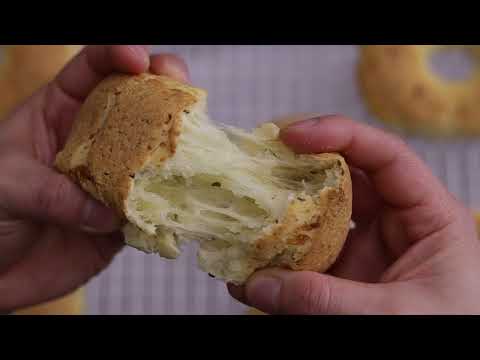
- Serve warm. Chipa is best enjoyed fresh from the oven when the cheese is stretchy and fragrant.
- In Paraguay, chipa is often baked early in the morning and shared with family or sold at the roadside.
People Also Read: Banitsa: The Crispy Pastry That Bulgarians Love
Rooted in Guaraní cassava traditions and enriched by European influences, chipa represents resilience, sharing, and continuity. Whether baked for family gatherings, religious occasions, or enjoyed warm on the roadside, chipa remains a timeless expression of Paraguayan identity and comfort food heritage.
